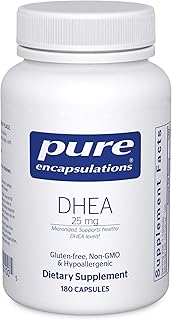
Affiliate disclosure: As an Amazon Associate, this site earns from qualifying purchases linked in this article.
Perimenopause is a significant phase in a woman’s life marked by fluctuating hormone levels, which can have various effects on the body. One area of particular concern for many women during this time is bone health, as the decline in certain hormones can influence bone mineral density.
Understanding the factors that contribute to bone density changes during perimenopause is important for maintaining skeletal strength. This article explores the current understanding of DHEA’s potential connection to bone health in women transitioning through menopause.
The Menopausal Transition and Bone Health
The menopausal transition is characterized by significant hormonal shifts, particularly in estrogen and androgen levels [1]. These changes can influence bone mineral density, making it a critical period for bone health awareness [2]. Bone mineral density is a key indicator of bone strength and a factor in the risk of osteoporosis [3].
During perimenopause, the ovaries’ production of certain hormones, including DHEA, begins to decline. DHEA, or dehydroepiandrosterone, is a steroid hormone that serves as a precursor to other hormones, including androgens and estrogens [4]. The role of these hormones in maintaining bone density has been a subject of ongoing research.
DHEA and Its Connection to Bone Density
DHEA is an abundant steroid hormone produced by the adrenal glands, and its levels typically peak in young adulthood before gradually declining with age [5]. Because DHEA can be converted into other sex hormones, its potential influence on bone health has been investigated, particularly in contexts where sex hormone levels are changing, such as perimenopause.
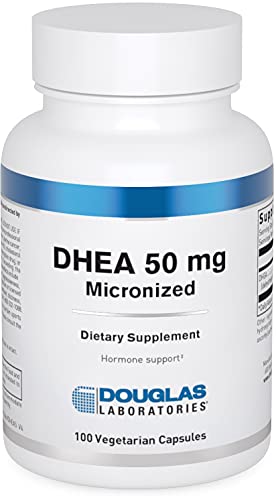
Research has explored the relationship between DHEA-sulfate (DHEA-S), a circulating form of DHEA, and bone mineral density. Some studies have indicated a positive association between DHEA-S levels and bone mineral density [6]. This suggests a potential role for DHEA in supporting bone health, though the exact mechanisms are complex and involve its conversion to other hormones.

Androgens, Estrogens, and Bone Metabolism
The influence of hormones on bone health is multifaceted. Androgens, which can be derived from DHEA, are known to play a role in bone metabolism. Both men and women produce androgens, and these hormones contribute to the maintenance of bone mineral density [7]. During perimenopause, the decline in ovarian function impacts not only estrogen levels but also androgen production.
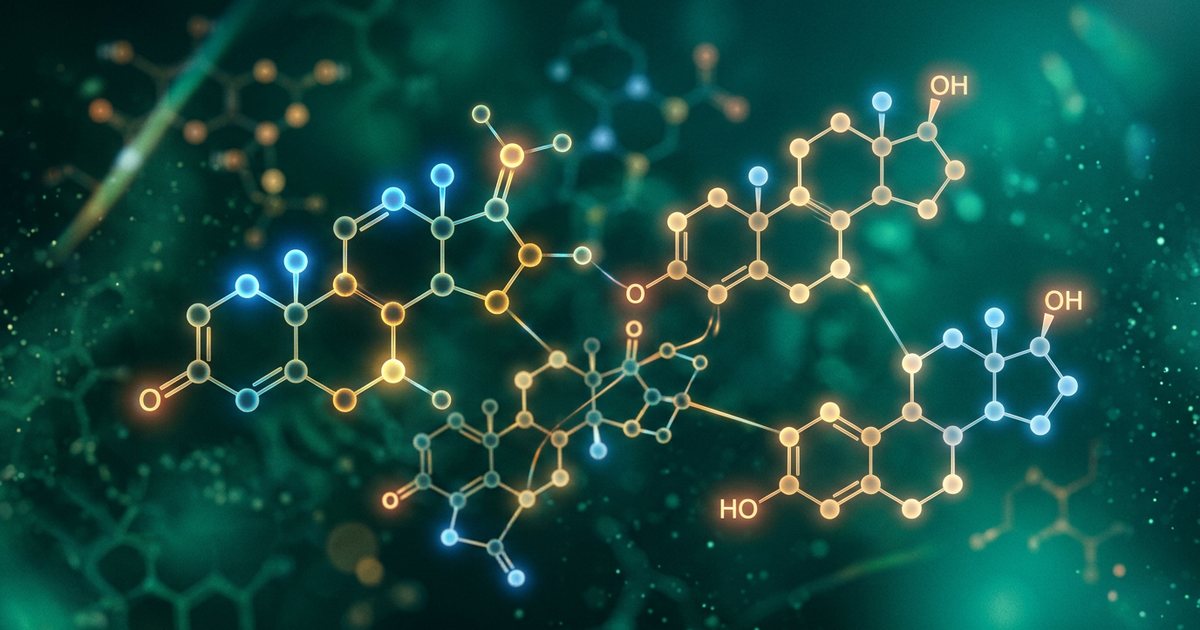
The conversion of DHEA into androgens and then potentially into estrogens highlights its indirect but significant role in the hormonal milieu affecting bone. Estrogens are well-established for their protective effects on bone, and their decline during menopause is a primary driver of bone loss [1]. Therefore, any compound that can influence the levels of these bone-supportive hormones warrants attention in the context of perimenopausal bone health.
DHEA Supplementation and Bone Health in Women
Given the observed association between DHEA-S and bone mineral density, and DHEA’s role as a precursor to other sex hormones, DHEA supplementation has been explored for its potential effects on bone health in women undergoing menopausal changes. The goal of such approaches is often to support physiological hormone levels that may contribute to bone maintenance.

While some research indicates a connection between DHEA and bone density [6], it is important to understand that DHEA is a hormone and should be approached with caution and under medical guidance. The effects of DHEA supplementation can vary among individuals, and its impact on bone density in perimenopausal women is an area of ongoing study.
Considerations for Perimenopausal Women
Maintaining bone health during perimenopause involves a comprehensive approach, including diet, exercise, and lifestyle choices. While DHEA’s potential role in bone density is being explored, it is not considered a standalone strategy for bone health. The menopausal transition significantly impacts bone mineral density, and understanding these changes is crucial [2].
For women considering DHEA for bone health or any other reason, it is essential to consult with a healthcare provider. DHEA is a hormone, and its use can have various effects on the body [5]. A doctor can help assess individual needs, potential benefits, and any risks associated with DHEA supplementation, ensuring a personalized and informed approach to managing perimenopausal health concerns.
References
- Hormonal changes in the menopause transition. Recent progress in hormone research, 2002
- Hormone predictors of bone mineral density changes during the menopausal transition. The Journal of clinical endocrinology and metabolism, 2006
- A clinical prediction model for 10-year risk of self-reported osteoporosis diagnosis in pre- and perimenopausal women. Archives of osteoporosis, 2023
- Prasterone. American journal of health-system pharmacy : AJHP : official journal of the American Society of Health-System Pharmacists, 2006
- The use of dehydroepiandrosterone therapy in clinical practice. Treatments in endocrinology, 2005
- Dehydroepiandrosterone sulphate and bone mineral density. Osteoporosis international : a journal established as result of cooperation between the European Foundation for Osteoporosis and the National Osteoporosis Foundation of the USA, 1994
- Androgen replacement in menopause. Current women’s health reports, 2001
These statements have not been evaluated by the Food and Drug Administration. This information is not intended to diagnose, treat, cure, or prevent any disease. Content is for informational purposes only and is not medical advice; consult a qualified healthcare provider before starting any supplement. As an Amazon Associate we earn from qualifying purchases.