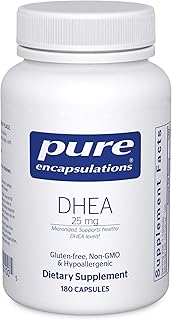
Affiliate disclosure: As an Amazon Associate, this site earns from qualifying purchases linked in this article.
Perimenopause is a transitional phase leading up to menopause, often marked by fluctuating hormone levels and a range of physical changes. While much attention is given to direct hormonal impacts, there’s growing interest in how these shifts might indirectly influence other body systems, including gut health.
Dehydroepiandrosterone (DHEA) is a hormone produced naturally in the body, which can be converted into other hormones like estrogens and androgens. For women navigating midlife, understanding its potential roles, even in areas like gut health, is a subject of ongoing scientific inquiry, though current evidence remains limited.
Understanding Perimenopause and Gut Health
Perimenopause is characterized by a decline in ovarian function, leading to changes in reproductive hormone levels. These hormonal shifts can contribute to various symptoms, including those related to the genitourinary system [1]. Beyond these direct effects, the broader impact of hormonal fluctuations on overall physiological balance, including the gut microbiome, is an area of active exploration.
The gut microbiome, a complex community of microorganisms residing in the digestive tract, plays a vital role in digestion, immune function, and metabolism. Disruptions in this microbial balance, often referred to as dysbiosis, have been linked to various health conditions. During perimenopause, it’s plausible that hormonal changes could influence the composition and function of the gut microbiome, though direct evidence in humans is still emerging.
What is DHEA and Its Role in the Body?
DHEA is a steroid hormone produced primarily by the adrenal glands, and in smaller amounts by the ovaries and brain. It serves as a precursor to other hormones, including androgens (like testosterone) and estrogens (like estradiol) [2]. Levels of DHEA tend to decline with age, which is why it’s sometimes explored in the context of age-related changes.
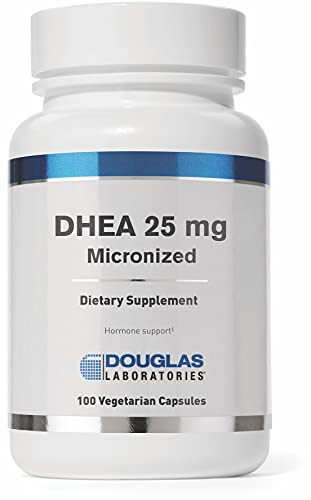
While DHEA’s direct roles in the body are diverse, its conversion into other hormones means it can indirectly influence many physiological processes. In perimenopause, where ovarian hormone production is decreasing, understanding the potential impact of DHEA, either naturally occurring or through supplementation, on various bodily systems, including the gut, is a topic of interest.

Exploring the Connection: DHEA and Gut Health Research
Current research exploring a direct link between DHEA and gut health specifically in perimenopausal women is very limited. Much of the existing evidence comes from animal models, particularly those studying conditions like polycystic ovary syndrome (PCOS), where DHEA is sometimes used to induce a PCOS-like state in mice for research purposes. These models provide early insights but do not directly translate to human perimenopause.
For example, in mouse models where PCOS-like conditions were induced using DHEA, researchers have observed modulations in gut flora. A Chinese medicine compound prescription, HeQi San, was found to ameliorate chronic inflammatory states and modulate gut flora in a DHEA-induced PCOS mouse model [3]. Similarly, other studies in DHEA-induced PCOS mouse models have investigated how various compounds might impact gut microbiota dysbiosis and associated conditions like insulin resistance and ovarian dysfunction [4].

Further research in these animal models suggests that gut microbiota and their metabolites, such as short-chain fatty acids (SCFAs), may play a role in mediating therapeutic effects in PCOS-like conditions [5]. Additionally, certain substances like sialic acid have been shown to exacerbate PCOS in mice by modulating gut microbiota-mediated bile acid metabolism and FXR activation [6]. While these studies highlight a potential interaction between DHEA, gut microbiota, and metabolic health in specific animal models, they do not establish a direct role or benefit of DHEA for gut health in perimenopausal women.
What the Limited Evidence Suggests for Perimenopause
Based on the currently available evidence, primarily from animal models of PCOS, there are indications that DHEA might indirectly interact with gut microbiota in certain physiological contexts. However, these findings are not directly applicable to perimenopausal women, nor do they suggest that DHEA supplementation would directly improve gut health during this life stage.
The mechanisms observed in animal models, such as the modulation of gut flora and metabolic pathways, are complex and involve specific conditions that differ from the natural hormonal changes of perimenopause. Therefore, any conclusions about DHEA’s impact on gut health in perimenopausal women would be speculative at this stage. More targeted research in human perimenopausal populations is needed to draw any meaningful connections.
References
- The genitourinary syndrome of menopause. Menopause (New York, N.Y.), 2021
- New Biomarkers to Evaluate Hyperandrogenemic Women and Hypogonadal Men. Advances in clinical chemistry, 2018
- Chinese medicine compound prescription HeQi San ameliorates chronic inflammatory states and modulates gut flora in dehydroepiandrosterone-induced polycystic ovary syndrome mouse model. International immunopharmacology, 2024
- Laurolitsine ameliorates insulin resistance, ovarian dysfunction and gut microbiota dysbiosis in DHEA plus HFD-induced PCOS mice. Frontiers in endocrinology, 2025
- Gut Microbiota and SCFAs Mediate the Therapeutic Effects of Canagliflozin in PCOS by Promoting White Fat Browning. FASEB journal : official publication of the Federation of American Societies for Experimental Biology, 2025
- Sialic acid exacerbates polycystic ovary syndrome in mice by modulating gut microbiota-mediated bile acid metabolism and FXR activation. Nature communications, 2026
These statements have not been evaluated by the Food and Drug Administration. This information is not intended to diagnose, treat, cure, or prevent any disease. Content is for informational purposes only and is not medical advice; consult a qualified healthcare provider before starting any supplement. As an Amazon Associate we earn from qualifying purchases.