Affiliate disclosure: As an Amazon Associate, this site earns from qualifying purchases linked in this article.
Perimenopause is a significant transitional phase for women, marked by fluctuating hormone levels and a range of physical and emotional changes. During this time, some women may experience symptoms that lead them to wonder about conditions like ‘adrenal fatigue’ and the potential role of supplements like DHEA (dehydroepiandrosterone).
This article aims to provide an evidence-based overview of DHEA, ‘adrenal fatigue,’ and their potential, though limited, connection during perimenopause. We will explore what DHEA is, the current understanding of ‘adrenal fatigue,’ and the important considerations for women navigating these complex topics.
What is DHEA?
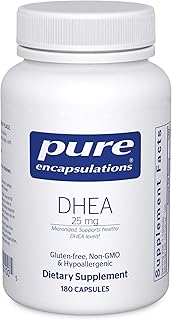
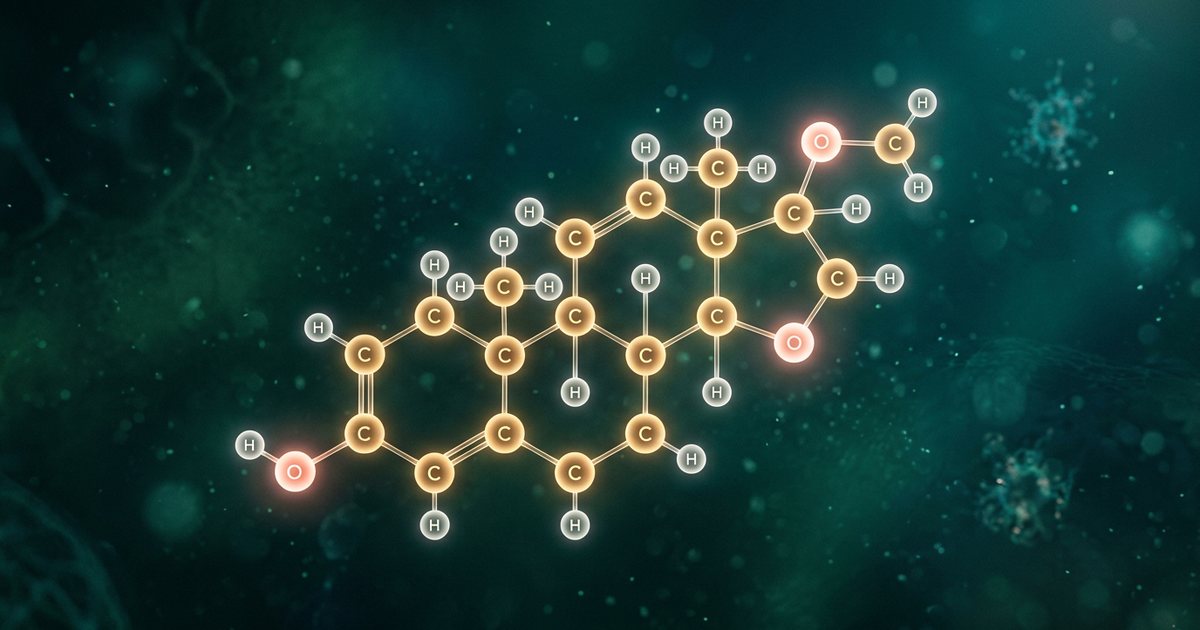
Dehydroepiandrosterone (DHEA) is a steroid hormone produced primarily by the adrenal glands, as well as by the gonads and the brain. It is the most abundant steroid hormone in the human body [1]. DHEA serves as a precursor to other hormones, including androgens (like testosterone) and estrogens [1].
DHEA levels naturally peak in early adulthood and then decline with age [2][1]. This age-related decline has led to interest in DHEA supplementation, with some referring to it as a ‘youth hormone’ [2]. However, the implications of this decline and the benefits of supplementation are still areas of ongoing research.
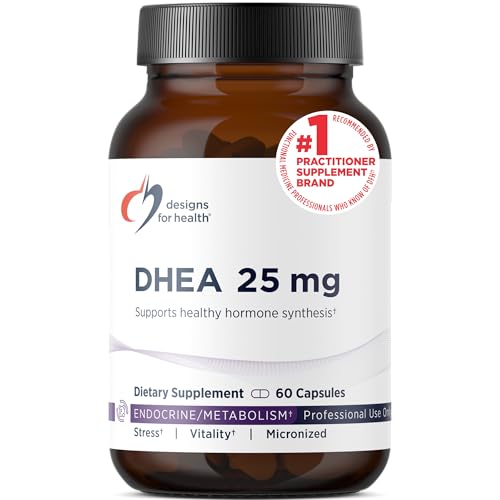
DHEA is available as an over-the-counter supplement, but it’s important to recognize that it is a hormone. Its use can have wide-ranging effects on the body and should be approached with careful consideration and professional guidance.
Understanding ‘Adrenal Fatigue’
The term ‘adrenal fatigue’ is commonly used to describe a collection of non-specific symptoms such as tiredness, body aches, sleep disturbances, and digestive issues, often attributed to chronic stress overwhelming the adrenal glands. However, it is crucial to understand that ‘adrenal fatigue’ is not a recognized medical diagnosis by mainstream medical organizations.

True adrenal insufficiency, a distinct and serious medical condition, occurs when the adrenal glands do not produce enough hormones, particularly cortisol [3][4]. This condition is diagnosed through specific medical tests and requires careful management by healthcare professionals [5][6]. Symptoms of adrenal insufficiency can include fatigue, weight loss, low blood pressure, and muscle weakness [3].
While chronic stress can certainly impact overall well-being and bodily functions, the concept of adrenals becoming ‘fatigued’ in a way that is distinct from recognized medical conditions like adrenal insufficiency lacks robust scientific backing. Many of the symptoms attributed to ‘adrenal fatigue’ can overlap with other conditions, including perimenopausal changes, thyroid issues, sleep disorders, or nutrient deficiencies.
Perimenopause and Hormone Fluctuations
Perimenopause is characterized by significant hormonal shifts, primarily fluctuations in estrogen and progesterone. These shifts can lead to a wide array of symptoms, including hot flashes, night sweats, mood changes, sleep disturbances, and fatigue. These symptoms can sometimes be mistaken for or contribute to the general feeling of ‘adrenal fatigue.’
During perimenopause, the ovaries begin to reduce their production of hormones, eventually leading to menopause. While the adrenal glands continue to produce some hormones, including DHEA, their role in compensating for declining ovarian hormones is complex and not fully understood. It’s important to distinguish between the natural hormonal changes of perimenopause and a specific ‘adrenal fatigue’ syndrome.
The Limited Connection Between DHEA, ‘Adrenal Fatigue’, and Perimenopause
Given that DHEA is produced by the adrenal glands and DHEA levels decline with age, some might hypothesize a connection between DHEA supplementation and alleviating symptoms attributed to ‘adrenal fatigue’ during perimenopause. However, direct scientific evidence supporting this specific link is limited.
While DHEA has been studied for various potential applications, including its effects on bone density, sexual function, and mood, the research specific to its role in ‘adrenal fatigue’ in perimenopause is not robust. Studies on DHEA generally explore its broader pharmacological effects and potential therapeutic applications [1]. There is no definitive research establishing DHEA as a remedy for the non-medically recognized condition of ‘adrenal fatigue.’
It is important to remember that DHEA is a precursor to sex hormones. Supplementing with DHEA can impact the levels of estrogen and testosterone in the body, which could potentially influence perimenopausal symptoms. However, this is not the same as addressing ‘adrenal fatigue,’ and the effects can be unpredictable and vary greatly among individuals. The overall evidence for DHEA’s benefits in healthy aging, beyond specific deficiencies, remains under investigation [7][8].
Safety Considerations for DHEA Supplementation
As DHEA is a hormone, its supplementation is not without potential risks and side effects. Because it can convert into other sex hormones, DHEA use may lead to androgenic side effects such as acne, oily skin, hair loss, and hirsutism (unwanted hair growth) [1]. It may also influence mood and sleep.
There are also concerns regarding DHEA’s potential interaction with certain medical conditions and medications. For example, DHEA has been explored in relation to breast cancer, and its use may not be advisable for individuals with hormone-sensitive cancers [9]. It’s also been studied in relation to Alzheimer’s disease, highlighting its broad biological activity [10].

Given these potential effects, it is crucial for anyone considering DHEA supplementation, especially during perimenopause, to consult with a healthcare provider. A doctor can help evaluate individual health status, assess potential risks, and discuss whether DHEA is appropriate. Self-prescribing hormones can have unintended consequences.

References
- Dehydroepiandrosterone (DHEA): Pharmacological Effects and Potential Therapeutic Application. Mini reviews in medicinal chemistry, 2023
- [Dehydroepiandrosterone (DHEA)–youth hormone?]. Wiadomosci lekarskie (Warsaw, Poland : 1960), 2001
- Adrenal insufficiency. Lancet (London, England), 2021
- Adrenal Insufficiency in Adults: A Review. JAMA, 2025
- Diagnosis and management of adrenal insufficiency. The lancet. Diabetes & endocrinology, 2015
- Diagnosis and management of adrenal insufficiency. Clinical medicine (London, England), 2023
- DHEA and mortality: what is the nature of the association?. The Journal of steroid biochemistry and molecular biology, 2015
- DHEA, physical exercise and doping. The Journal of steroid biochemistry and molecular biology, 2015
- Dehydroepiandrosterone (DHEA) in relation to breast cancer. Vitamins and hormones, 2025
- Dehydroepiandrosterone (DHEA) and its Sulphate (DHEAS) in Alzheimer’s Disease. Current Alzheimer research, 2020
These statements have not been evaluated by the Food and Drug Administration. This information is not intended to diagnose, treat, cure, or prevent any disease. Content is for informational purposes only and is not medical advice; consult a qualified healthcare provider before starting any supplement. As an Amazon Associate we earn from qualifying purchases.