As women navigate the physiological shifts of perimenopause and menopause, a common question arises: how best to address the declining energy, fluctuating libido, and often uncomfortable vaginal dryness that accompany these hormonal changes? Many are seeking effective, evidence-based solutions to maintain their quality of life. Among the array of options, dehydroepiandrosterone (DHEA), a naturally occurring prohormone, frequently surfaces as a potential candidate. But how does DHEA truly compare to other available treatments, both pharmaceutical and complementary?
This comprehensive analysis aims to provide a clinically precise comparison of DHEA against various alternatives, focusing on its mechanisms, efficacy, and safety profile in 2026. Understanding the nuances of DHEA, particularly the crucial distinction between its FDA-approved topical application and oral supplementation, is paramount for informed decision-making.
FTC Disclosure: DHEAHub may earn a commission from qualifying purchases made through affiliate links in this article. This helps support our research and content creation.
Understanding DHEA: A Prohormone’s Role
DHEA is an endogenous steroid hormone produced primarily by the adrenal glands, with smaller amounts synthesized in the brain and gonads. It serves as a precursor to androgens, such as testosterone, and estrogens, like estradiol. Its levels naturally peak in early adulthood and progressively decline with age.
The physiological effects of DHEA are mediated through its conversion into more potent sex steroids within target tissues, a process known as intracrinology. This localized conversion theoretically allows for tissue-specific hormone action, potentially minimizing systemic exposure to higher levels of sex hormones.
DHEA for Vaginal Health: FDA-Approved vs. Oral Supplementation
One of DHEA’s most well-established and FDA-approved applications is for the treatment of vulvovaginal atrophy (VVA), also known as genitourinary syndrome of menopause (GSM). Prasterone, a synthetic form of DHEA, is available as a vaginal insert (Intrarosa). This formulation delivers DHEA directly to the vaginal tissues.
Mechanism of action involves local conversion of DHEA to estrogens and androgens within the vaginal cells[1][2]. This localized hormonal activity helps restore vaginal tissue integrity, improve lubrication, and reduce symptoms like dryness, irritation, and painful intercourse. Clinical trials have demonstrated significant improvements in VVA symptoms and objective measures of vaginal health with minimal systemic absorption of sex steroids.
In contrast, oral DHEA supplementation for vaginal dryness lacks FDA approval and has a different pharmacokinetic profile. Oral DHEA undergoes significant first-pass metabolism in the liver, leading to systemic increases in DHEA, DHEA-sulfate (DHEA-S), and downstream androgens and estrogens. While some women report improvement in vaginal symptoms with oral DHEA, the systemic hormonal changes carry potential risks not associated with localized vaginal prasterone.
Comparison: Vaginal DHEA vs. Estrogen Therapy
| Feature | Vaginal DHEA (Prasterone) | Vaginal Estrogen Therapy (e.g., Estradiol Cream) | Oral DHEA Supplementation |
|---|---|---|---|
| FDA Status for VVA | Approved | Approved | Not Approved |
| Primary Mechanism | Local conversion to estrogens/androgens in vaginal tissue | Direct estrogenic action on vaginal tissue | Systemic conversion to androgens/estrogens after oral absorption |
| Systemic Absorption | Minimal | Minimal (low-dose) | Significant |
| Impact on Endometrium | No endometrial proliferation observed in studies | Generally safe, but higher doses may require progestin | Potential for endometrial stimulation due to systemic estrogen conversion |
| Contraindications | Undiagnosed abnormal genital bleeding, breast cancer | Undiagnosed abnormal genital bleeding, certain cancers, thromboembolic disorders | Not well-defined for this indication; general hormone contraindications apply |
| Side Effects (Local) | Vaginal discharge, abnormal Pap smear (rare) | Vaginal discharge, breast tenderness (rare) | Not specific to vaginal area; systemic effects more common |
Vaginal estrogen therapy, available in creams, rings, or tablets, is a long-standing and highly effective treatment for VVA. Both vaginal DHEA and vaginal estrogen therapies are localized treatments with minimal systemic absorption, making them suitable for women who may have contraindications to systemic hormone therapy or prefer a localized approach. The choice between them often comes down to individual patient preference and physician guidance.
DHEA for Libido and Sexual Function in Women
Declining libido is a prevalent concern for women in perimenopause and menopause, often linked to reduced androgen levels, alongside psychosocial factors. DHEA, as a precursor to testosterone, has been investigated for its potential role in enhancing female sexual function.
Studies on oral DHEA supplementation for female sexual dysfunction (FSD) have yielded mixed results. Some trials suggest improvements in desire, arousal, and orgasm, particularly in women with low endogenous androgen levels. The pooled data are less encouraging than the individual trials. A meta-analysis of 23 randomized trials in 1,188 postmenopausal women found that systemic DHEA was not associated with a significant improvement in libido or sexual function (SMD 0.35, 95% CI −0.02 to 0.73, P = .06), with substantial heterogeneity between studies (I² = 62%)[3]. A Cochrane review found a small overall benefit that, split by route of administration, was carried by the intravaginal trial (SMD 0.42) rather than the oral trials (SMD 0.11, P = 0.36)[4]. A 2022 clinical review of the whole literature put it plainly: no consistent beneficial effects of DHEA administration have been observed for menopausal symptoms, sexual function, cognition or overall wellbeing in normal women, whereas local administration does show benefit in vulvovaginal atrophy[5].

However, the optimal dosage, duration, and specific patient populations that benefit most from oral DHEA for libido remain largely undefined. It is crucial to note that the FDA has not approved oral DHEA for this indication. The potential for androgenic side effects such as acne, hirsutism, and voice deepening must be carefully considered.
Comparison: Oral DHEA vs. Testosterone Therapy and Other Approaches
Testosterone therapy for FSD, particularly Hypoactive Sexual Desire Disorder (HSDD), is another option. While not FDA-approved in the US, off-label use of low-dose testosterone, often compounded, is prescribed by some clinicians. Testosterone directly provides the active androgen, potentially offering a more direct and potent effect on libido compared to DHEA’s precursor role.
Flibanserin and bremelanotide are FDA-approved medications specifically for HSDD in premenopausal women, acting on neurotransmitters in the brain. Their mechanisms are distinct from DHEA’s hormonal pathway. Lifestyle interventions, including stress reduction, relationship counseling, and pelvic floor therapy, also play a significant role in managing FSD.
DHEA for Energy and General Well-being
Many women report fatigue and a general decline in vitality during the perimenopausal transition. Given DHEA’s role as a precursor to various hormones, it has been hypothesized to influence energy levels and overall well-being. The evidence supporting this, however, is less robust and more inconsistent than for its role in vaginal health.
Some smaller studies and anecdotal reports suggest improvements in mood, energy, and quality of life with DHEA supplementation. However, larger, well-designed clinical trials have often failed to demonstrate a significant, consistent benefit over placebo for these non-specific symptoms in healthy aging populations. The effects, if any, appear to be modest and individualized.

Comparison: Oral DHEA vs. Lifestyle and Other Supplements
For general energy and well-being, foundational lifestyle interventions remain paramount. Regular physical activity, a balanced diet, adequate sleep, and stress management are consistently proven to enhance vitality. Vitamin D and B vitamin supplementation, when deficiencies are identified, can also significantly impact energy levels.
Certain adaptogens, such as Ashwagandha or Rhodiola rosea, are sometimes used to support energy and stress response, though their efficacy also varies and requires further research. Unlike DHEA, these do not directly alter sex hormone levels, generally presenting a different safety profile.
Safety and Risks of Oral DHEA Supplementation
As a prohormone, DHEA carries real risks, particularly when taken orally without medical supervision. Its conversion to potent sex steroids means that it can induce hormonal effects throughout the body. The quality and purity of DHEA supplements vary widely, as they are not regulated by the FDA in the same way as prescription drugs.
Potential side effects of oral DHEA, especially at higher doses or with prolonged use, include acne, oily skin, hirsutism (excess hair growth), and hair loss. Less common but more serious risks may involve cardiovascular effects, liver enzyme elevations, and potential interactions with other medications. Women with hormone-sensitive cancers, such as breast or ovarian cancer, or those at high risk, should strictly avoid DHEA due to its conversion to estrogens and androgens.
Regular monitoring of DHEA-S levels, alongside testosterone and estrogen metabolites, is essential when considering oral DHEA. A physician’s guidance is critical to weigh the potential benefits against the risks and to ensure appropriate dosing and monitoring.
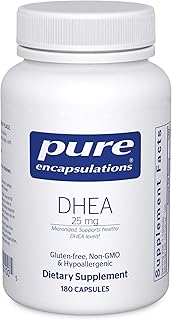
Finding Quality DHEA Supplements (Amazon Affiliate Section)
When considering DHEA supplementation, whether for oral use or as a topical cream (not FDA-approved for VVA, but sometimes used for skin health), product quality is paramount. Since DHEA is sold as a dietary supplement, the FDA does not regulate it for purity, potency, or safety before it reaches the market. This means consumers must be diligent in their selection.
Look for DHEA supplements that are third-party tested for purity and potency. Certifications from organizations like USP (U.S. Pharmacopeia), NSF International, or ConsumerLab.com indicate that a product has been independently verified. These certifications help assure that the product contains the advertised amount of DHEA and is free from contaminants.

When searching online, consider these product types: third-party tested DHEA supplements, micronized DHEA capsules for potentially better absorption, and lab-tested DHEA topical creams (for non-vaginal use applications only). Always review product descriptions thoroughly for quality assurance statements and ingredients.
Conclusion
DHEA presents a complex profile in the landscape of perimenopausal and menopausal health interventions. For vaginal dryness, the FDA-approved vaginal prasterone (DHEA) is a safe and effective localized treatment, comparable to vaginal estrogen therapy. However, oral DHEA supplementation for other indications like libido, energy, or general well-being carries significant caveats.

The evidence for oral DHEA’s broad benefits is less conclusive and often overshadowed by the potential for systemic hormonal side effects. When considering any form of DHEA, especially oral supplementation, a thorough discussion with a healthcare provider is essential. This ensures a personalized approach that considers individual health status, risks, and treatment goals, prioritizing safety above all else.
These statements have not been evaluated by the FDA. This product is not intended to diagnose, treat, cure, or prevent any disease.
Frequently Asked Questions (FAQ)
Oral DHEA supplements are ingested and lead to systemic increases in DHEA and its metabolites throughout the body. Vaginal DHEA (prasterone), an FDA-approved prescription, is inserted locally into the vagina, where it is converted to hormones within the vaginal tissue with minimal systemic absorption, specifically for treating vaginal dryness.
No. Oral DHEA is a prohormone and can have systemic hormonal effects. It is not recommended for women with a history of hormone-sensitive cancers (e.g., breast cancer) or those at high risk. It can also cause side effects like acne, hair growth, and changes in lipid profiles. Medical supervision is crucial.
While some individuals report improved energy with oral DHEA, scientific evidence from large, well-controlled studies is inconsistent and often does not show a significant benefit over placebo for general energy or well-being in healthy aging populations. Lifestyle factors often play a more substantial role.
DHEA is a prohormone, converting into various sex steroids, while traditional HRT directly provides estrogen and often progesterone. For moderate to severe vasomotor symptoms (hot flashes), traditional HRT is generally considered more effective. For vaginal symptoms, localized DHEA or estrogen are both highly effective. The choice depends on individual symptoms, risks, and medical history.
Always prioritize DHEA supplements that have undergone third-party testing for purity, potency, and absence of contaminants. Look for certifications from reputable organizations. Consult with a healthcare professional before starting any DHEA supplementation.
For vaginal dryness, non-hormonal vaginal moisturizers and lubricants can provide relief. For libido, lifestyle factors such as stress reduction, exercise, and addressing relationship issues are important. Some herbal remedies are anecdotally used, but their efficacy and safety are often less studied than DHEA or prescription options.

References
- Efficacy of intravaginal dehydroepiandrosterone (DHEA) on moderate to severe dyspareunia and vaginal dryness, symptoms of vulvovaginal atrophy, and of the genitourinary syndrome of menopause. Menopause, 2016
- Efficacy of intravaginal dehydroepiandrosterone (DHEA) for symptomatic women in the peri- or postmenopausal phase. Maturitas, 2018
- Clinical review: The benefits and harms of systemic dehydroepiandrosterone (DHEA) in postmenopausal women with normal adrenal function: a systematic review and meta-analysis. J Clin Endocrinol Metab, 2014
- Dehydroepiandrosterone for women in the peri- or postmenopausal phase. Cochrane Database Syst Rev, 2015
- Should Dehydroepiandrosterone Be Administered to Women?. J Clin Endocrinol Metab, 2022
These statements have not been evaluated by the Food and Drug Administration. This information is not intended to diagnose, treat, cure, or prevent any disease. Content is for informational purposes only and is not medical advice; consult a qualified healthcare provider before starting any supplement. As an Amazon Associate we earn from qualifying purchases.