Affiliate disclosure: As an Amazon Associate, this site earns from qualifying purchases linked in this article.
The human gut microbiota, a complex community of microorganisms, plays a significant role in overall health and various bodily functions [1][2]. Maintaining a balanced gut microbiome is increasingly recognized as important for well-being. Researchers are actively exploring various factors that might influence this intricate ecosystem.
Dehydroepiandrosterone (DHEA) is a naturally occurring steroid hormone that has garnered attention for its diverse effects within the body [3]. While DHEA is often discussed in relation to aging and hormonal balance, emerging research is beginning to consider its potential interactions with other physiological systems, including the gut. This article explores the current understanding of the link between DHEA and gut health, focusing on the microbiome, while acknowledging that evidence in this area is limited.
Understanding the Gut Microbiome
The gut microbiome refers to the collective genetic material of all the microorganisms, primarily bacteria, residing in the human digestive tract. This vast community can impact nutrient absorption, immune system function, and even brain health, forming what is known as the gut microbiota-immune-brain axis [4]. A diverse and balanced microbiome is generally associated with better health outcomes [1].
Disruptions to the gut microbiome, often referred to as dysbiosis, have been linked to various health concerns. Factors such as diet, lifestyle, medications, and hormonal changes can all influence the composition and function of the gut microbiota [1]. Understanding these influences is crucial for supporting gut health.
What is DHEA?
Dehydroepiandrosterone (DHEA) is a steroid hormone produced primarily by the adrenal glands, and in smaller amounts, by the gonads and brain. It is a precursor to other steroid hormones, including androgens and estrogens [3]. DHEA levels in the body tend to peak in early adulthood and gradually decline with age [5].
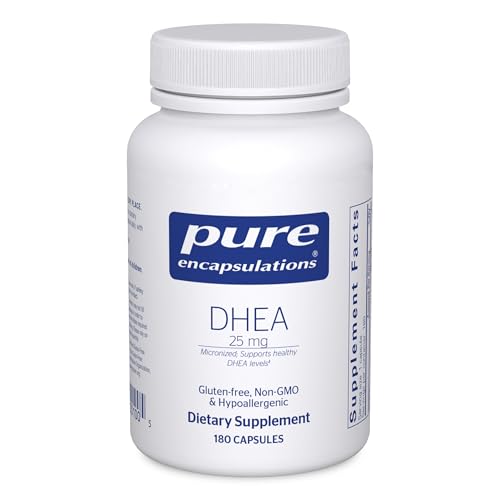
DHEA has been studied for its potential roles in various physiological processes. Research has explored its pharmacological effects and potential applications in different areas, though definitive conclusions are still being drawn [3]. It’s important to note that DHEA is sometimes referred to as a ‘youth hormone,’ but this is a simplistic description of its complex functions [5].

The Emerging Link: DHEA and Gut Health
While direct, robust research specifically examining the impact of DHEA supplementation on the human gut microbiome is currently limited, the broader understanding of hormonal influence on bodily systems suggests a potential connection. Hormones are known to interact with various tissues and cells throughout the body, and the gut is a highly dynamic environment influenced by numerous internal factors.
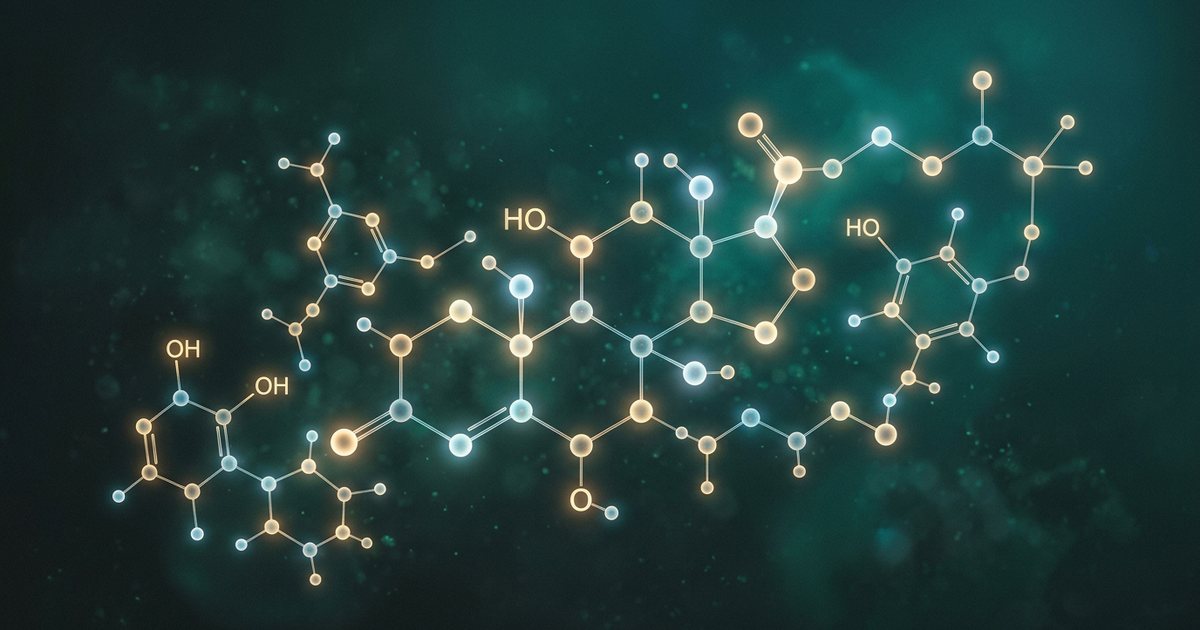
The current body of evidence does not provide extensive details on how DHEA might directly influence the composition or function of the gut microbiome. However, given that DHEA has wide-ranging pharmacological effects [3] and the gut microbiome is influenced by internal factors, this area represents a potential avenue for future research. It is plausible that, through its general systemic effects, DHEA could indirectly impact the gut environment, but this is speculative and not supported by direct evidence in humans. The published work pairing DHEA with the gut microbiome is almost entirely animal research in which DHEA is used to induce a polycystic ovary syndrome model, not research into what DHEA supplementation does to a human microbiome.
The Microbiome-Hormone Connection: A Broader Perspective
It is well-established that the gut microbiome can influence hormone metabolism, and conversely, hormones can affect the gut environment. For example, the gut microbiome plays a role in the metabolism of estrogens, a process that can impact overall hormonal balance. While DHEA is a different hormone, the existence of such interactions highlights the intricate relationship between the endocrine system and gut health.
Probiotics are live microorganisms that, when administered in adequate amounts, may confer a health benefit on the host, often by influencing the gut microbiota [6]. Research into the effects of various substances on the gut microbiome is ongoing, and future studies might explore DHEA’s potential role in this complex interplay.
What the Research Doesn’t Yet Show
It is critical to emphasize that the published literature contains no study directly linking DHEA supplementation to changes in the human gut microbiome. Search results that appear to connect the two are misleading: DHEA is widely used in animal research as the agent that induces a PCOS-like state in mice, so it recurs throughout the rodent gut-microbiome literature as the cause of the disease model rather than as a supplement being tested for microbiome effects. While DHEA has broad pharmacological effects [3] and the gut microbiome is a critical component of health [1], there is no direct research presented here that details how DHEA might influence the diversity, composition, or function of gut bacteria. Therefore, any conclusions drawn about a direct link between DHEA and gut health or the microbiome would be premature and not supported by the available scientific literature.
Ongoing research continues to explore the complex interactions within the human body. As our understanding of both DHEA and the gut microbiome evolves, future studies may shed more light on potential connections. However, at present, specific evidence for DHEA’s impact on gut health and the microbiome remains limited.
References
- Human gut microbiota/microbiome in health and diseases: a review. Antonie van Leeuwenhoek, 2020
- An insight into gut microbiota and its functionalities. Cellular and molecular life sciences : CMLS, 2019
- Dehydroepiandrosterone (DHEA): Pharmacological Effects and Potential Therapeutic Application. Mini reviews in medicinal chemistry, 2023
- The gut microbiota-immune-brain axis: Therapeutic implications. Cell reports. Medicine, 2025
- [Dehydroepiandrosterone (DHEA)–youth hormone?]. Wiadomosci lekarskie (Warsaw, Poland : 1960), 2001
- Effects of Probiotics on Gut Microbiota: An Overview. International journal of molecular sciences, 2024
These statements have not been evaluated by the Food and Drug Administration. This information is not intended to diagnose, treat, cure, or prevent any disease. Content is for informational purposes only and is not medical advice; consult a qualified healthcare provider before starting any supplement. As an Amazon Associate we earn from qualifying purchases.