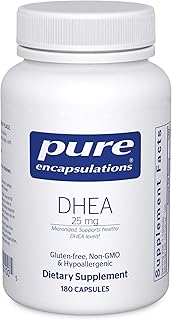
Affiliate disclosure: As an Amazon Associate, this site earns from qualifying purchases linked in this article.
As women navigate midlife and menopause, maintaining physical vitality often becomes a focus. Regular exercise is a cornerstone of health, contributing to overall well-being and managing age-related changes. Some individuals explore supplemental options, such as DHEA, in conjunction with their fitness routines.
This article examines the current, albeit limited, evidence regarding DHEA and its potential relationship to physical performance and recovery. It’s important to approach this topic with a clear understanding of what the existing research indicates, and where more study is needed.
Understanding DHEA’s Role in the Body
Dehydroepiandrosterone (DHEA) is a steroid hormone produced naturally by the adrenal glands, gonads, and brain. It serves as a precursor to other hormones, including androgens and estrogens [1]. DHEA levels in the body tend to decline with age, leading some to explore supplementation [2].
The physiological effects of DHEA are broad and complex, influencing various bodily systems. Because it can be converted into other hormones, its impact is not always direct but can be mediated through these subsequent conversions [1].
DHEA Exercise Performance: What the Evidence Suggests
The concept of DHEA enhancing physical performance is an area of ongoing investigation, with much of the current evidence being limited. Some research has explored DHEA in the context of physical exercise, but definitive conclusions regarding its ability to significantly boost performance in healthy individuals are not yet established [3].
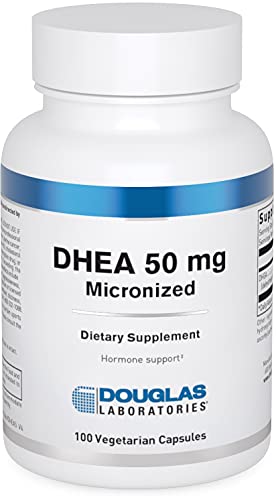
Studies on DHEA and exercise performance often consider factors such as muscle strength, endurance, and body composition. However, robust evidence specifically demonstrating a direct and consistent improvement in these areas due to DHEA supplementation, particularly in midlife women already engaged in exercise, is scarce. The interplay between DHEA, hormones, and physical activity is intricate, and individual responses can vary.
It’s also crucial to distinguish between natural DHEA levels and the effects of exogenous supplementation. While DHEA is a naturally occurring hormone, supplementing with it introduces external quantities that may have different impacts than endogenous production.
DHEA and Recovery from Physical Activity
Recovery is a vital component of any exercise regimen, allowing the body to repair and adapt. The potential for DHEA to influence recovery processes is another area where research is still developing. Factors such as inflammation, muscle repair, and fatigue are all aspects of recovery that could theoretically be influenced by hormonal balance.

However, specific studies demonstrating clear benefits of DHEA supplementation for accelerating recovery or reducing post-exercise muscle soreness in women are limited. The mechanisms by which DHEA might support recovery are complex and would likely involve its conversion to other steroids that play roles in tissue repair and inflammatory responses. More targeted research is needed to understand any potential connections.
Regular physical exercise itself is well-known for its positive effects on overall health and the body’s ability to recover and adapt to stress [4], [5], [6]. The role of DHEA in augmenting these natural recovery processes beyond what exercise alone provides remains an area requiring further investigation.

Safety Considerations and Doping Concerns
When considering any supplement, safety is paramount. DHEA is a hormone, and as such, its supplementation can have various physiological effects. Potential side effects can include hormonal imbalances, acne, hair loss, and changes in mood. The long-term safety profile of DHEA supplementation, particularly at higher doses, is not fully understood for all individuals [1].
It is also important to note that DHEA is considered a prohibited substance by many sports organizations due to its potential to act as an anabolic agent [3]. Athletes should be aware of anti-doping regulations if considering DHEA supplementation.
Furthermore, DHEA’s relationship with certain health conditions is an area of active research. For example, there is ongoing research regarding DHEA in relation to breast cancer, as well as its connection to conditions like Alzheimer’s disease [7], [8]. These complex interactions underscore the importance of medical consultation before considering DHEA supplementation.

References
- Dehydroepiandrosterone (DHEA): Pharmacological Effects and Potential Therapeutic Application. Mini reviews in medicinal chemistry, 2023
- [Dehydroepiandrosterone (DHEA)–youth hormone?]. Wiadomosci lekarskie (Warsaw, Poland : 1960), 2001
- DHEA, physical exercise and doping. The Journal of steroid biochemistry and molecular biology, 2015
- Exercise, Neuroprotective Exerkines, and Parkinson’s Disease: A Narrative Review. Biomolecules, 2024
- Exercise and Smoking Cessation. Current topics in behavioral neurosciences, 2024
- Yoga and physical exercise – a review and comparison. International review of psychiatry (Abingdon, England), 2016
- Dehydroepiandrosterone (DHEA) in relation to breast cancer. Vitamins and hormones, 2025
- Dehydroepiandrosterone (DHEA) and its Sulphate (DHEAS) in Alzheimer’s Disease. Current Alzheimer research, 2020
These statements have not been evaluated by the Food and Drug Administration. This information is not intended to diagnose, treat, cure, or prevent any disease. Content is for informational purposes only and is not medical advice; consult a qualified healthcare provider before starting any supplement. As an Amazon Associate we earn from qualifying purchases.