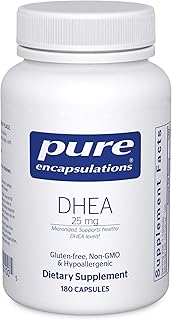
Affiliate disclosure: As an Amazon Associate, this site earns from qualifying purchases linked in this article.
As women navigate midlife and menopause, changes in body composition, including muscle mass and strength, are common. Maintaining muscle strength is important for overall well-being and functional independence. This article explores the current scientific understanding regarding the potential connection between DHEA (dehydroepiandrosterone) and muscle strength in women.
It’s important to approach this topic with a clear understanding of the existing evidence. While DHEA is a naturally occurring steroid hormone that can be converted into other hormones, the research specifically linking DHEA supplementation to improvements in muscle strength in women is limited. This review will outline what the available studies suggest, without making definitive claims or offering medical advice.
What is DHEA?
Dehydroepiandrosterone (DHEA) is a steroid hormone produced by the adrenal glands, gonads, and brain [1]. It serves as a precursor to other hormones, including androgens and estrogens [1]. DHEA levels naturally decline with age, a process that has led to interest in its potential role in various age-related changes [2].
The physiological effects of DHEA are diverse and include roles in neuroprotection, immune modulation, and metabolic processes [1]. Due to its widespread influence, DHEA has been the subject of considerable research, particularly concerning its potential applications in conditions associated with aging. However, it’s crucial to distinguish between the general pharmacological effects of DHEA and its specific impact on particular outcomes like muscle strength in women.
Understanding Muscle Strength in Women
Muscle strength is a critical component of physical health, impacting daily activities and quality of life. Reference values for muscle strength have been established through systematic reviews [3]. Factors influencing muscle strength can include age, sex, and lifestyle choices such as physical activity [4].
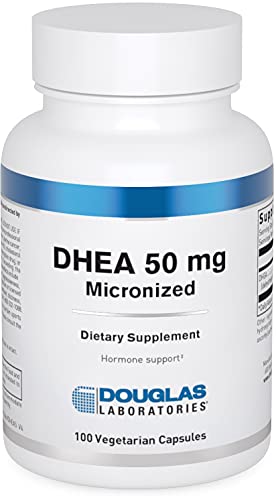
Women exhibit sex differences in muscle strength, endurance, and neuromuscular adaptations compared to men [4]. As women age, particularly through midlife and menopause, hormonal shifts can contribute to changes in body composition, including muscle mass and strength. Maintaining muscle strength during this period is a common health goal, prompting exploration into various supportive strategies.
DHEA and Muscle Strength: What the Research Suggests
The direct evidence specifically examining DHEA supplementation and its impact on muscle strength in women is limited. While DHEA is a precursor to other hormones that influence muscle tissue, the effect of DHEA supplementation on measurable improvements in muscle strength in women is not definitively established by the published trial evidence.
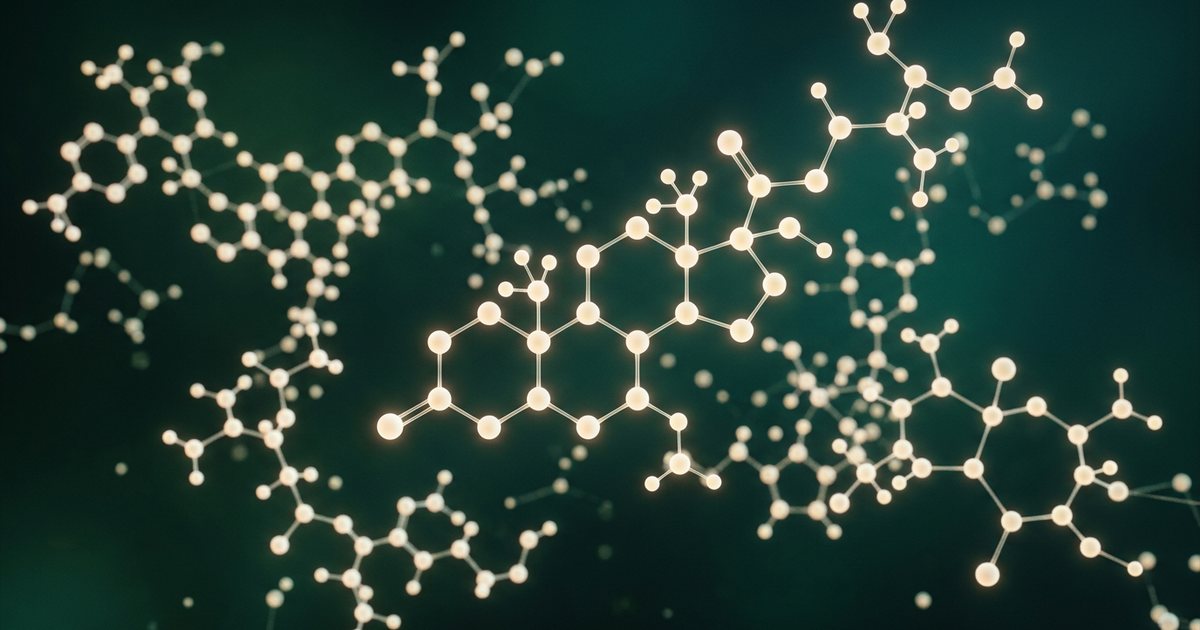
Some general research on DHEA discusses its pharmacological effects [1], and other studies touch upon DHEA in relation to physical exercise [5]. However, these do not specifically detail robust findings on DHEA supplementation leading to increased muscle strength in women during midlife or menopause. The existing evidence does not strongly support a direct and consistent benefit for muscle strength enhancement in this population.

It’s important to note that the body of research on DHEA is extensive, covering various aspects like its association with mortality [6], Alzheimer’s disease [7], and breast cancer [8]. However, when focusing specifically on DHEA’s role in improving muscle strength in women, the published trial evidence does not show a consistent benefit. A systematic review of randomised controlled trials in adults aged 60 and over, which included four DHEA trials, found no consistent effect of DHEA supplementation on muscle mass, muscle strength or physical performance[9]. That review was not restricted to women, and the question has not been isolated in perimenopausal women specifically.
Factors Influencing Muscle Strength Beyond DHEA
Many factors are known to influence muscle strength. Regular physical exercise, particularly resistance training, is widely recognized as an effective strategy for building and maintaining muscle strength across the lifespan [4]. Nutritional status also plays a significant role.
Other hormones, like Vitamin D, have been investigated for their effects on muscle strength, with some systematic reviews suggesting potential benefits in athletes [10]. Additionally, conditions such as obesity can impact skeletal muscle strength and structure from adolescence into older age [11]. These factors highlight the complexity of muscle strength regulation and underscore that DHEA is just one of many elements that have been explored in this context, with limited specific evidence for its role in women’s muscle strength.

References
- Dehydroepiandrosterone (DHEA): Pharmacological Effects and Potential Therapeutic Application. Mini reviews in medicinal chemistry, 2023
- [Dehydroepiandrosterone (DHEA)–youth hormone?]. Wiadomosci lekarskie (Warsaw, Poland : 1960), 2001
- Reference values for muscle strength: a systematic review with a descriptive meta-analysis. Brazilian journal of physical therapy, 2018
- Narrative Review of Sex Differences in Muscle Strength, Endurance, Activation, Size, Fiber Type, and Strength Training Participation Rates, Preferences, Motivations, Injuries, and Neuromuscular Adaptations. Journal of strength and conditioning research, 2023
- DHEA, physical exercise and doping. The Journal of steroid biochemistry and molecular biology, 2015
- DHEA and mortality: what is the nature of the association?. The Journal of steroid biochemistry and molecular biology, 2015
- Dehydroepiandrosterone (DHEA) and its Sulphate (DHEAS) in Alzheimer’s Disease. Current Alzheimer research, 2020
- Dehydroepiandrosterone (DHEA) in relation to breast cancer. Vitamins and hormones, 2025
- Effects of Protein, Essential Amino Acids, B-Hydroxy B-Methylbutyrate, Creatine, Dehydroepiandrosterone and Fatty Acid Supplementation on Muscle Mass, Muscle Strength and Physical Performance in Older People Aged 60 Years and Over. A Systematic Review on the Literature. The journal of nutrition, health & aging, 2018
- Effects of Vitamin D Supplementation on Muscle Strength in Athletes: A Systematic Review. Journal of strength and conditioning research, 2017
- The impact of obesity on skeletal muscle strength and structure through adolescence to old age. Biogerontology, 2016
These statements have not been evaluated by the Food and Drug Administration. This information is not intended to diagnose, treat, cure, or prevent any disease. Content is for informational purposes only and is not medical advice; consult a qualified healthcare provider before starting any supplement. As an Amazon Associate we earn from qualifying purchases.