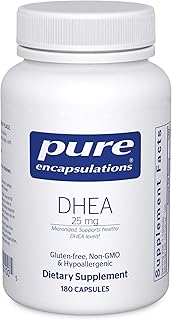
Affiliate disclosure: As an Amazon Associate, this site earns from qualifying purchases linked in this article.
Dehydroepiandrosterone, commonly known as DHEA, is one of the most abundant steroid hormones in the human body, produced primarily by the adrenal glands and, to a lesser extent, the brain and gonads. Unlike many nutrients, DHEA is not a compound you can simply eat in meaningful quantities through a standard diet, and understanding why matters for anyone trying to support healthy hormone levels naturally. This article takes an honest look at what the evidence says about foods high in DHEA, the dietary factors that may influence your body’s own production, and when food sources alone are unlikely to be sufficient.
Is DHEA Actually Found in Food?
The straightforward answer is that true dietary sources of preformed DHEA are extremely limited. DHEA is a steroid hormone synthesized from cholesterol through a cascade of enzymatic steps, and it is not stored or concentrated in plant or animal foods in the way that vitamins and minerals are. Some trace amounts may be present in certain animal-derived products, but the quantities are so small and the research so sparse that no food has been reliably confirmed to deliver a clinically meaningful dose of preformed DHEA.
This is an important distinction. When you read about “foods high in DHEA,” what the evidence more accurately supports is a discussion of foods that provide precursors, cofactors, or lifestyle factors that help your adrenal glands produce DHEA more efficiently on their own. That is a legitimate and useful area of nutrition science, but it is not the same as eating a food that directly raises circulating DHEA the way that, say, eating iron-rich foods raises serum ferritin.
For a broader look at what DHEA does in the body and why levels matter, see our guide on DHEA benefits and the science behind adrenal health.
Cholesterol and Fat: The Essential Raw Material
DHEA biosynthesis begins with cholesterol. Your adrenal cortex converts cholesterol into pregnenolone via the enzyme CYP11A1, and pregnenolone is then converted into DHEA. Without adequate dietary cholesterol and fat, this production pathway can become compromised.

Sources of cholesterol and healthy fats
- Eggs: One of the richest dietary sources of cholesterol, with meaningful amounts in the yolk. Eggs also provide choline, which supports adrenal function broadly.
- Fatty fish (salmon, mackerel, sardines): Provide cholesterol and omega-3 fatty acids, which support membrane integrity in steroidogenic cells.
- Whole-fat dairy (cheese, butter, full-fat yogurt): Supply cholesterol and saturated fats used as steroid precursors.
- Meat and poultry: Provide cholesterol along with protein needed for enzyme synthesis.
- Avocado and olive oil: Rich in monounsaturated fats that support overall hormonal health without excess inflammatory load.
Very low-fat or extremely low-calorie diets have been associated with suppressed DHEA levels in research settings, suggesting that adequate fat and calorie intake is a foundational requirement for healthy adrenal output.
Micronutrients That Support DHEA Production
Several vitamins and minerals act as cofactors in the enzymatic reactions that produce DHEA. Ensuring adequate intake of these nutrients through diet is one of the most evidence-grounded ways to support endogenous DHEA synthesis.

Zinc
Zinc is required for the activity of multiple enzymes involved in steroidogenesis. Low zinc status has been correlated with reduced androgen and adrenal hormone output in observational studies. Good dietary sources include oysters, red meat, pumpkin seeds, hemp seeds, and legumes.
Vitamin C
The adrenal glands contain one of the highest concentrations of vitamin C of any tissue in the body. Vitamin C plays a role in the stress response and in protecting adrenal cells from oxidative damage. Bell peppers, citrus fruits, kiwi, and broccoli are among the richest food sources.
Magnesium
Magnesium is a cofactor for hundreds of enzymatic reactions, including those in the steroidogenesis pathway. Chronic magnesium insufficiency is common in Western diets. Good sources include dark leafy greens, pumpkin seeds, dark chocolate, almonds, and whole grains.

B vitamins (especially B5 and B6)
Pantothenic acid (B5) is directly involved in adrenal hormone synthesis through its role in coenzyme A formation. Pyridoxine (B6) supports the conversion of hormonal precursors. Liver, sunflower seeds, avocado, legumes, and whole grains are reliable sources of both.
Wild Yam: Precursor Chemistry, Not DHEA
Wild yam (Dioscorea villosa) deserves specific mention because it is widely marketed in connection with DHEA. Wild yam contains diosgenin, a steroidal saponin that can be chemically converted into DHEA in a laboratory setting. However, the human body does not have the enzymes necessary to perform this conversion. Research has consistently shown that consuming wild yam products does not raise serum DHEA levels[1]. Despite persistent marketing claims, there is no credible evidence that eating wild yam or taking wild yam extract meaningfully increases DHEA in humans.
Herbs and Adaptogens With Indirect Evidence
A small number of adaptogenic herbs have been studied for their effects on adrenal function, with some showing modest associations with DHEA or DHEA-S levels in limited research.
Ashwagandha (Withania somnifera)
Ashwagandha is the herb most often named in this context, but the two randomized trials that actually measured DHEA-S point in opposite directions. In stressed healthy adults, 240 mg/day for 60 days lowered morning cortisol (P < .001) — and lowered DHEA-S along with it (P = .004 versus placebo), which is the opposite of the “lower cortisol, spare DHEA” mechanism usually described[2]. In overweight men aged 40–70, the same extract was associated with an 18% greater rise in salivary DHEA-S than placebo (P = .005), with no between-group difference in cortisol, fatigue, vigor or sexual wellbeing[3]. Neither trial studied midlife women, and neither measured whether any DHEA-S change produced a clinical effect. Treat ashwagandha as a stress-and-sleep intervention that may or may not move DHEA-S, not as a way to raise it.
Rhodiola rosea
Rhodiola has adaptogenic properties and some human data suggesting it may modestly support adrenal hormone balance, though direct DHEA-specific evidence is limited.
It is worth noting that these herbs are typically taken as supplements rather than as everyday foods, and the quality of evidence varies considerably. They are best viewed as adjuncts, not primary interventions.
Top Dietary Sources That Support DHEA Levels
| Food / Nutrient Source | Key Contribution | Relevant Nutrients Provided |
|---|---|---|
| Eggs | Cholesterol precursor supply | Cholesterol, choline, vitamin D |
| Oysters | Top dietary zinc source | Zinc, selenium, B12 |
| Fatty fish (salmon, sardines) | Healthy fat and cholesterol | Omega-3s, cholesterol, vitamin D |
| Liver (beef or chicken) | Broad micronutrient density | B5, B6, zinc, iron, copper |
| Pumpkin seeds | Plant-based zinc and magnesium | Zinc, magnesium, healthy fats |
| Avocado | Monounsaturated fat and B5 | B5, potassium, monounsaturated fat |
| Bell peppers and citrus | Adrenal antioxidant support | Vitamin C |
| Dark leafy greens | Magnesium and folate supply | Magnesium, folate, vitamin K |
Who May Struggle to Maintain DHEA Through Diet Alone
Even with an optimal diet, certain groups face structural challenges to maintaining healthy DHEA levels that food cannot fully address.
- Adults over 40: DHEA production declines naturally with age, independent of diet, due to a process called adrenopause. By the time someone reaches their 70s or 80s, circulating DHEA may be a fraction of youthful levels regardless of nutrition.
- People under chronic stress: Elevated cortisol from ongoing psychological or physical stress can blunt adrenal DHEA output. Dietary improvements help, but stress management is equally important.
- Those with adrenal insufficiency: Conditions affecting adrenal function, such as Addison’s disease, require medical treatment, and dietary approaches are not a substitute.
- Individuals on very low-calorie or low-fat diets: Severely restricting calories or fat removes the cholesterol substrate needed for steroidogenesis.
- People with malabsorption conditions: Those with Crohn’s disease, celiac disease, or related conditions may not absorb the micronutrients needed for adrenal enzyme function.
For individuals in these categories, understanding the evidence around DHEA supplementation may be a relevant next step in conversation with a qualified healthcare provider.
How Dietary Approaches Compare to DHEA Supplements
DHEA supplements, available over the counter in the United States, deliver preformed DHEA that enters circulation directly. This is categorically different from supporting endogenous production through diet. Supplements can measurably raise serum DHEA-S within weeks, which dietary changes generally cannot replicate, particularly in older adults whose adrenal output is structurally diminished.
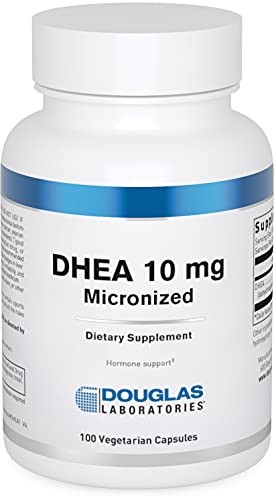
That said, dietary optimization remains worthwhile for several reasons. It addresses foundational health broadly, avoids the risks of supraphysiological hormone exposure, requires no supplementation, and may provide meaningful support for younger adults whose adrenal function is still robust. The National Institutes of Health Office of Dietary Supplements maintains resources on nutrients involved in adrenal and hormonal health that provide a useful reference point for anyone researching this topic.
Supplements and diet are not mutually exclusive. For someone with age-related decline, a supplement under medical supervision combined with strong nutritional foundations is a reasonable approach. For a generally healthy younger adult, diet and lifestyle optimization is often the appropriate starting point. Consulting a licensed healthcare provider before beginning DHEA supplementation is always advisable, as this is a hormonally active compound with individual variation in response and risk.
For context on how dietary DHEA support compares with supplementation across different age groups, see our related resources.
Frequently Asked Questions
Are there any foods that directly contain DHEA?
No food has been reliably shown to contain preformed DHEA in amounts that meaningfully raise circulating levels in humans. DHEA is a steroid hormone synthesized endogenously from cholesterol. The most accurate framing of “foods high in DHEA” refers to foods that support the body’s own production rather than supply the hormone directly.
Does wild yam boost DHEA levels?
Despite widespread marketing claims, there is no credible human evidence that consuming wild yam or wild yam extract raises serum DHEA. Wild yam contains diosgenin, which can be converted into DHEA in a chemistry lab, but the human digestive system lacks the enzymes to perform this conversion. Products claiming to be “natural DHEA” based on wild yam content are not supported by clinical evidence.

Can improving your diet meaningfully raise DHEA levels?
For individuals whose low DHEA is partly related to nutritional deficiencies (such as low zinc, magnesium, or inadequate fat intake), dietary improvements may support better adrenal output. However, for age-related DHEA decline, which is the most common cause of low levels in adults, diet alone is unlikely to restore youthful levels. The effect of diet is most relevant as a supportive foundation rather than a primary treatment.
Does stress affect DHEA regardless of diet?
Yes. Chronic psychological and physical stress elevates cortisol, and sustained high cortisol can suppress adrenal DHEA production through a shift in steroidogenesis priorities. This means that stress management, sleep quality, and exercise habits interact with dietary choices in determining DHEA output. No diet fully compensates for chronically dysregulated stress physiology.
Is it safe to take DHEA supplements without a doctor’s guidance?
DHEA supplements are available without a prescription in the United States, but they are not appropriate for everyone and carry real considerations. Because DHEA is a precursor to both estrogen and testosterone, supplementation can have hormonal effects that vary significantly by individual. People with hormone-sensitive conditions, those taking medications, or anyone with adrenal disorders should always consult a healthcare provider before use. General health information about DHEA, including this article, is not a substitute for personalized medical advice.
References
- Effects of wild yam extract on menopausal symptoms, lipids and sex hormones in healthy menopausal women. Climacteric, 2001
- An investigation into the stress-relieving and pharmacological actions of an ashwagandha (Withania somnifera) extract: A randomized, double-blind, placebo-controlled study. Medicine (Baltimore), 2019
- A Randomized, Double-Blind, Placebo-Controlled, Crossover Study Examining the Hormonal and Vitality Effects of Ashwagandha (Withania somnifera) in Aging, Overweight Males. Am J Mens Health, 2019
These statements have not been evaluated by the Food and Drug Administration. This information is not intended to diagnose, treat, cure, or prevent any disease. Content is for informational purposes only and is not medical advice; consult a qualified healthcare provider before starting any supplement. As an Amazon Associate we earn from qualifying purchases.