Affiliate disclosure: As an Amazon Associate, this site earns from qualifying purchases linked in this article.
Perimenopause is a transitional phase for women, often accompanied by various changes, including shifts in metabolic function. Many women report experiencing weight fluctuations and concerns about insulin sensitivity during this time. Understanding potential factors that may influence these changes is a common area of interest.
Dehydroepiandrosterone (DHEA) is a naturally occurring steroid hormone that declines with age. Its potential influence on metabolic health, particularly regarding insulin sensitivity and weight management during perimenopause, is a topic that prompts many questions. This article will explore the current understanding of DHEA’s role in these areas, based on available evidence.
Understanding Perimenopausal Metabolic Changes
As women transition through perimenopause, hormonal fluctuations, particularly in estrogen and progesterone, can impact various bodily systems, including metabolism. These changes may contribute to alterations in body composition, fat distribution, and how the body processes glucose. While these shifts are a natural part of aging, they can sometimes lead to concerns about metabolic health.
The decline in ovarian function during perimenopause can influence the production of other hormones, including androgens, which are precursors to DHEA. These broader hormonal shifts are thought to play a role in the metabolic changes observed during this life stage. Managing these changes often involves a multi-faceted approach, including lifestyle considerations.
DHEA’s Role in Hormone Balance and Metabolism
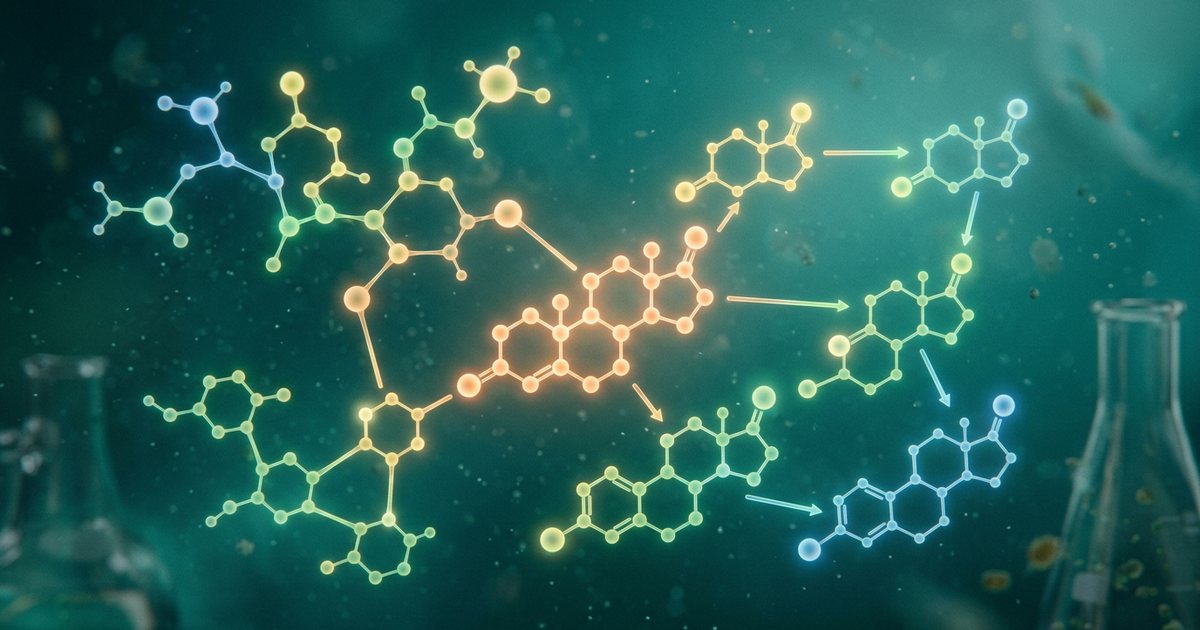
DHEA is produced by the adrenal glands and, to a lesser extent, by the ovaries. It serves as a precursor to other hormones, including androgens and estrogens. As women age, DHEA levels naturally decrease, a trend that accelerates during the perimenopausal and postmenopausal periods [1]. This decline has led researchers to investigate whether DHEA supplementation might influence various aspects of health, including metabolic parameters.

The exact mechanisms by which DHEA might influence metabolic health are still being explored. It is hypothesized that DHEA’s conversion into other sex hormones could play a role, as these hormones are known to impact insulin signaling, fat metabolism, and overall energy balance. However, the direct effects of DHEA itself, independent of its conversion, are also under investigation.
DHEA and Insulin Sensitivity in Perimenopause
Insulin sensitivity refers to how effectively the body’s cells respond to insulin, a hormone crucial for regulating blood sugar. During perimenopause, some women may experience a decrease in insulin sensitivity, which can be a concern for metabolic health. The potential for DHEA to influence insulin sensitivity has been a subject of research.
Some studies have explored DHEA supplementation in various populations. However, the evidence specifically for DHEA’s impact on insulin sensitivity in perimenopausal women is not consistently robust across all research. For instance, one study involving compounded bioidentical transdermal hormone therapy, which could include DHEA, observed some effects on various health outcomes in perimenopausal and postmenopausal women, but it did not isolate DHEA’s own contribution [2]. Trials that do isolate DHEA exist, though not in healthy perimenopausal women specifically. In a six-month randomised, double-blind, placebo-controlled trial in 56 adults aged 65 to 78, half of them women, 50 mg/day of DHEA significantly reduced visceral fat (-13 cm² versus +3 cm² on placebo, P = .001) and improved insulin action [3]. In a placebo-controlled crossover trial in 28 women with adrenal insufficiency (mean age 50), the same 50 mg/day dose measurably increased insulin sensitivity on a hyperinsulinaemic-euglycaemic clamp, the most direct available measure, but also lowered HDL cholesterol [4]. Neither group is a healthy perimenopausal woman, so these results are suggestive rather than directly transferable. It is important to consider that metabolic responses can be complex and influenced by many factors.
DHEA and Weight Management During Perimenopause
Weight management often becomes a greater concern for women during perimenopause, with many reporting an increase in body fat, particularly around the abdomen. The role of DHEA in influencing body weight and composition during this phase has been a point of interest for both women and researchers.
While some animal studies have explored DHEA’s effects on weight, the findings are not always directly transferable to humans or specific to perimenopause. For example, one study on diet-induced obese rats in the late postmenopausal period found that DHEA supplementation was not beneficial [5]. This highlights the complexity of metabolic responses and the need for human-specific evidence, particularly in the perimenopausal population. The Polish Menopause and Andropause Society’s position statement on DHEA supplementation in pre- and postmenopausal women notes the ongoing discussion about its effects but does not definitively state a direct benefit for weight management in perimenopause based on the evidence it reviews [1].

It’s crucial to remember that weight management is multifaceted, involving diet, exercise, and overall lifestyle. While DHEA’s potential role is being investigated, it is generally considered one piece of a larger puzzle, and strong, conclusive evidence directly linking DHEA supplementation to significant weight loss in perimenopausal women is still developing.

Safety and Considerations for DHEA Supplementation
The decision to consider DHEA supplementation should always be made in consultation with a healthcare provider. The Polish Menopause and Andropause Society’s expert panel advises that DHEA supplementation should be considered only for women with documented DHEA deficiency and should be individualized and monitored by a physician [1]. This emphasizes the importance of medical supervision.
Potential side effects and appropriate dosages are critical considerations. DHEA can influence other hormone levels, and indiscriminate use could lead to unintended consequences. Therefore, a thorough medical evaluation, including hormone level testing, is typically recommended before considering DHEA supplementation. It’s also important to note that the long-term effects of DHEA supplementation, especially regarding specific metabolic outcomes in perimenopause, are still areas of ongoing research.

References
- Supplementation of dehydroepiandrosterone (DHEA) in pre- and postmenopausal women – position statement of expert panel of Polish Menopause and Andropause Society. Ginekologia polska, 2020
- The effects of compounded bioidentical transdermal hormone therapy on hemostatic, inflammatory, immune factors; cardiovascular biomarkers; quality-of-life measures; and health outcomes in perimenopausal and postmenopausal women. International journal of pharmaceutical compounding, 2013
- Effect of DHEA on abdominal fat and insulin action in elderly women and men: a randomized controlled trial. JAMA, 2004
- Effect of dehydroepiandrosterone replacement on insulin sensitivity and lipids in hypoadrenal women. Diabetes, 2005
- Dehydroepiandrosterone supplementation is not beneficial in the late postmenopausal period in diet-induced obese rats. Life sciences, 2018
These statements have not been evaluated by the Food and Drug Administration. This information is not intended to diagnose, treat, cure, or prevent any disease. Content is for informational purposes only and is not medical advice; consult a qualified healthcare provider before starting any supplement. As an Amazon Associate we earn from qualifying purchases.