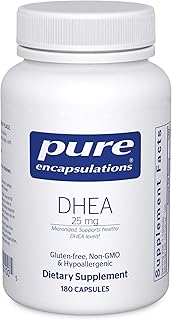
Affiliate disclosure: As an Amazon Associate, this site earns from qualifying purchases linked in this article.
Perimenopause is a significant transitional phase for women, marked by fluctuating hormone levels that can lead to various changes. Dehydroepiandrosterone (DHEA) is a naturally occurring steroid hormone that plays a role in the body’s hormonal landscape, particularly as a precursor to other hormones.
Understanding how DHEA influences hormone balance during perimenopause, specifically its conversion into estrogens and testosterone, can offer insights into the body’s complex endocrine system during this time. This article will explore the evidence surrounding DHEA’s role in these conversions.
What is DHEA and its Role in the Body?
DHEA is a steroid hormone produced primarily by the adrenal glands, with smaller amounts also made by the ovaries and brain [1]. It is the most abundant circulating steroid in women. DHEA itself is considered a weak androgen, but its primary significance lies in its ability to be converted into more potent sex hormones within various tissues throughout the body [1]. This process is often referred to as ‘intracrinology,’ meaning that the conversion and action of hormones occur largely within the cells where they are needed, rather than solely relying on hormones circulating from distant glands [2].
The levels of DHEA in the body naturally peak in early adulthood and then gradually decline with age [1]. This decline begins around the age of 30 and continues throughout midlife and beyond, coinciding with the perimenopausal and menopausal transitions. This age-related decrease in DHEA production is a normal physiological change.
DHEA as a Precursor to Estrogens
One of the key functions of DHEA is its role as a precursor to estrogens. The body can convert DHEA into various forms of estrogen, including estrone and estradiol [3]. This conversion does not happen directly in the bloodstream in a significant way, but rather in specific tissues where enzymes facilitate the process [2]. These tissues can include fat, skin, and bone, allowing for localized estrogen production [2].
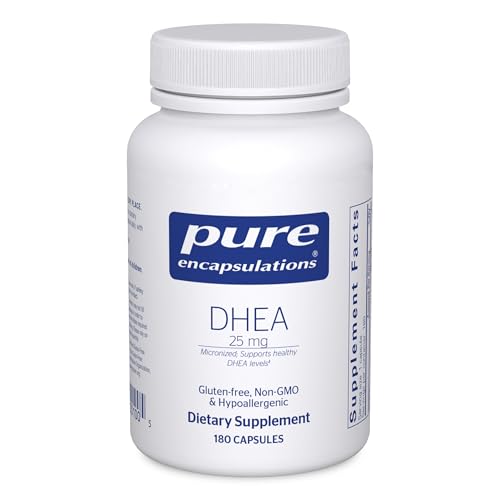
During perimenopause, ovarian estrogen production becomes irregular and eventually declines significantly [4]. In this context, the conversion of DHEA into estrogens in peripheral tissues may contribute to the overall estrogenic environment in the body, potentially influencing tissues that respond to estrogen. This local conversion highlights the body’s intricate mechanisms for maintaining some level of hormonal activity even as ovarian function changes.
DHEA and Testosterone Conversion
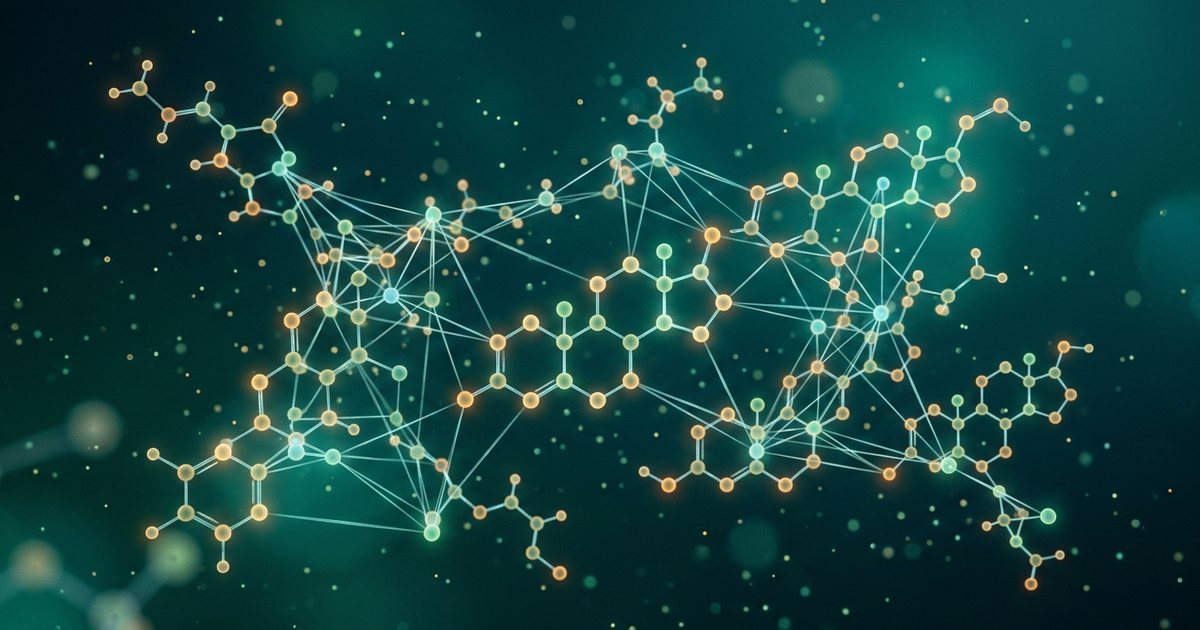
Beyond estrogen, DHEA also serves as a precursor for androgens, including testosterone [1]. Similar to estrogen conversion, this process primarily occurs within target tissues rather than in the general circulation [2]. Enzymes present in various cells can transform DHEA into androstenedione, which can then be further converted into testosterone [1].
Androgens, like testosterone, play various roles in women’s health, including contributions to bone density, muscle mass, and sexual function [5]. As women approach and navigate perimenopause, ovarian production of androgens, including testosterone, also declines [4]. The localized conversion of DHEA into testosterone may therefore provide a source of androgens to specific tissues, potentially influencing their function during a time of declining ovarian output. For instance, androgens are considered important for vulvovaginal health [6].
The Intracrine System: Local Hormone Action
The concept of ‘intracrinology’ is central to understanding how DHEA contributes to hormone balance [2]. Instead of hormones being produced by a single gland and acting systemically, intracrinology describes the process where a precursor hormone, like DHEA, is taken up by a cell and then converted into more potent hormones (estrogens and androgens) directly within that cell [2]. These newly synthesized hormones then act locally within the same cell or adjacent cells, without being released into the general circulation in large amounts [2].
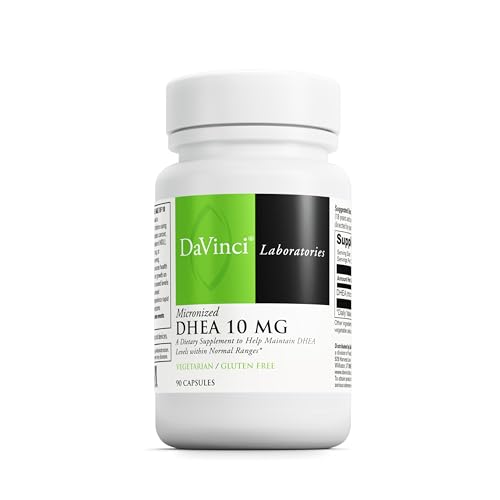
This localized action is particularly relevant during perimenopause when systemic hormone levels are fluctuating. It suggests that DHEA can support hormone activity in specific tissues that need it, such as the skin, bone, or vaginal tissues, without necessarily raising circulating levels of estrogens or androgens to the same extent as direct hormone therapies [2]. This nuanced approach to hormone production underscores the complexity and adaptability of the body’s endocrine system.
Considerations for DHEA Use in Perimenopause
While DHEA serves as a precursor for both estrogens and androgens, its precise impact on hormone balance in perimenopause can vary among individuals. The extent of conversion depends on the activity of specific enzymes in different tissues, which can be influenced by various factors. Because DHEA can convert to androgens, there is a potential for androgenic side effects such as oily skin, acne, or increased hair growth (hirsutism) in some individuals [7].
The use of DHEA to influence hormone levels is a complex topic. It is important to recognize that while DHEA is naturally occurring, introducing it exogenously can have systemic effects. Monitoring hormone levels and potential side effects is a key consideration for anyone exploring DHEA supplementation.

References
- Dehydroepiandrosterone replacement therapy. Seminars in reproductive medicine, 2004
- Intracrinology and the skin. Hormone research, 2000
- Plasma precursors of estrogen. III. Conversion of plasma dehydroisoandrosterone to estrogen in young nonpregnant women. Gynecologic investigation, 1976
- Endocrine function of the peri- and postmenopausal ovary. Hormone research, 1995
- Androgen therapy in women. European journal of endocrinology, 2006
- Is vulvovaginal atrophy due to a lack of both estrogens and androgens?. Menopause (New York, N.Y.), 2017
- Hirsutism. Dermatologic clinics, 1987
These statements have not been evaluated by the Food and Drug Administration. This information is not intended to diagnose, treat, cure, or prevent any disease. Content is for informational purposes only and is not medical advice; consult a qualified healthcare provider before starting any supplement. As an Amazon Associate we earn from qualifying purchases.