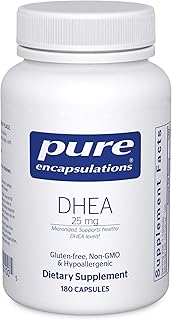
Affiliate disclosure: As an Amazon Associate, this site earns from qualifying purchases linked in this article.
Navigating the hormonal shifts of perimenopause can bring about various changes, including those affecting mood. Many women seek information on potential strategies to support their emotional well-being during this transitional phase.
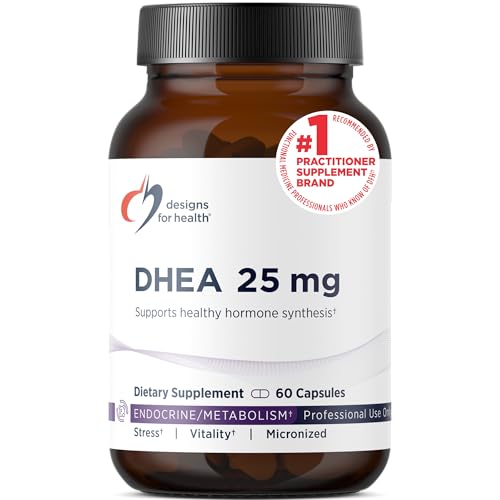
Dehydroepiandrosterone (DHEA) is a naturally occurring steroid hormone that declines with age. While its role in overall health is complex, there’s growing interest in understanding its potential influence on mood, particularly during perimenopause and menopause. This article explores the current, albeit limited, evidence regarding DHEA and mood, specifically focusing on its potential connection to depression in midlife women.
Understanding DHEA and its Role in the Body
DHEA is produced primarily by the adrenal glands, and it serves as a precursor to other hormones, including estrogens and androgens. Levels of DHEA tend to peak in early adulthood and then gradually decline with age. This age-related decline coincides with the perimenopausal transition, a time when women may experience significant hormonal fluctuations. Given its role as a precursor, DHEA’s presence is essential for the body’s natural hormone balance, which can indirectly impact various physiological and psychological functions.

Perimenopause, Mood Changes, and Depression
Perimenopause is characterized by fluctuating hormone levels, particularly estrogen. These hormonal shifts are often linked to a range of symptoms, including mood disturbances. Some women report increased irritability, anxiety, and feelings of sadness during this time. Depression can also be a concern during perimenopause and menopause, and it’s important to differentiate between transient mood changes and clinical depression [1].
The exact mechanisms by which hormonal changes influence mood are still being researched, but they likely involve complex interactions within the brain and nervous system. The potential for DHEA to play a role in supporting mood during this period is a topic of ongoing investigation, though current evidence is limited.
DHEA and Mood: What the Research Suggests
Research into DHEA and mood has yielded mixed but sometimes promising results, particularly in specific populations. A review from 1997 noted DHEA’s potential for depression [2]. Some observational studies have explored the relationship between endogenous (naturally produced) DHEA levels and depression in postmenopausal women. A 2023 systematic review of such studies indicated a potential association, but also highlighted the need for more robust research [3].
In a small pilot study from 1999, DHEA was explored for its effects on midlife dysthymia, a chronic, mild form of depression [4]. Another pilot study from 2012 examined DHEA’s effects on mood in women with anorexia nervosa, noting potential benefits [5]. However, these are specific populations and the findings may not directly translate to perimenopausal women experiencing general mood shifts.
For women with adrenal insufficiency, DHEA replacement has been studied for its effects on well-being, sexuality, and cognition [6]. While ‘well-being’ can encompass mood, this population has a specific hormonal deficiency, making direct comparisons to perimenopausal women challenging. Overall, while some studies point to a potential connection, the evidence specifically linking DHEA supplementation to significant improvements in mood or depression in perimenopausal women without other underlying conditions is still considered limited.

Limitations and Gaps in the Evidence
It is crucial to emphasize that the evidence for DHEA’s impact on mood and depression in perimenopausal women is limited. Many studies are small, conducted on specific populations (e.g., those with adrenal insufficiency or dysthymia, or anorexia nervosa), or are observational, meaning they can show associations but not cause-and-effect [3][6][4][5]. Large-scale, randomized controlled trials specifically designed to assess DHEA’s effect on perimenopausal mood changes and depression are largely lacking.
Furthermore, while DHEA’s role in cognitive function has also been reviewed [7][8][9], cognitive well-being is distinct from mood and depression, though they can sometimes be related. The complexity of hormonal interactions during perimenopause means that a single intervention may not address all aspects of mood disturbance, and individual responses can vary significantly.
References
- Critical appraisal of effects of estrogen replacement therapy on symptoms of depressed mood. Archives of women’s mental health, 2002
- DHEA for depression. Treatment review, 1997
- Endogenous dehydroepiandrosterone and depression in postmenopausal women: a systematic review of observational studies. Menopause (New York, N.Y.), 2023
- Dehydroepiandrosterone treatment of midlife dysthymia. Biological psychiatry, 1999
- Dehydroepiandrosterone treatment effects on weight, bone density, bone metabolism and mood in women suffering from anorexia nervosa-a pilot study. Psychiatry research, 2012
- DHEA replacement in women with adrenal insufficiency–pharmacokinetics, bioconversion and clinical effects on well-being, sexuality and cognition. Endocrine research, 2000
- Dehydroepiandrosterone (DHEA) supplementation for cognitive function . The Cochrane database of systematic reviews, 2001. This review was withdrawn by Cochrane in 2007.
- WITHDRAWN: Dehydroepiandrosterone (DHEA) supplementation for cognitive function. The Cochrane database of systematic reviews, 2007
- DHEA and cognitive function in the elderly. The Journal of steroid biochemistry and molecular biology, 2015
These statements have not been evaluated by the Food and Drug Administration. This information is not intended to diagnose, treat, cure, or prevent any disease. Content is for informational purposes only and is not medical advice; consult a qualified healthcare provider before starting any supplement. As an Amazon Associate we earn from qualifying purchases.