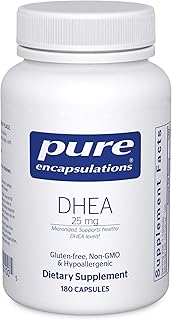
Affiliate disclosure: As an Amazon Associate, this site earns from qualifying purchases linked in this article.
Dehydroepiandrosterone (DHEA) is a naturally occurring steroid hormone that circulates in the body, with its levels generally declining with age [1]. For women navigating midlife and menopause, understanding DHEA and its potential roles can be part of a broader health discussion.
When considering DHEA supplementation, a crucial aspect to understand is how different forms of DHEA are absorbed by the body, their bioavailability, and how these factors might influence their effects. This article will delve into these important considerations without offering medical advice.
What is DHEA and Why Does Form Matter?
DHEA is a precursor hormone, meaning it can be converted into other hormones, including androgens and estrogens, within the body [1]. Its levels typically peak in early adulthood and then gradually decrease with age [1]. This decline has led to interest in DHEA supplementation, particularly as women enter midlife and menopause.
The ‘form’ of DHEA refers to the chemical structure in which it is presented for consumption, such as oral tablets, capsules, creams, or suppositories. The way a substance is formulated can significantly impact how much of it the body can actually use, a concept known as bioavailability. For example, some compounds, like DHEA, can be metabolized quickly when taken orally, potentially reducing the amount that reaches systemic circulation [1].
Understanding DHEA forms absorption is essential because it directly relates to the amount of active DHEA that becomes available to the body’s tissues. This, in turn, can influence the potential effects observed. Different delivery methods are designed to optimize this process, aiming to achieve desired physiological levels.
Oral DHEA: Absorption and Metabolism Considerations
Oral DHEA, typically available as tablets or capsules, is one of the most common forms of supplementation. When DHEA is taken orally, it is absorbed through the digestive tract. However, it undergoes significant ‘first-pass metabolism’ in the liver [1]. This means that a substantial portion of the DHEA is metabolized by the liver before it can reach the general circulation and exert its effects throughout the body. This rapid metabolism can lead to a lower bioavailability of unmetabolized DHEA when taken orally compared to other routes.
The liver converts DHEA into various metabolites, including DHEA-sulfate (DHEA-S), and other androgenic and estrogenic steroids [1]. While DHEA-S is a major circulating form of DHEA, and its levels are often measured to assess DHEA status, the direct effects of orally administered DHEA may be influenced by this rapid conversion. The goal of DHEA supplementation is often to elevate circulating DHEA and DHEA-S levels, but the efficiency with which this occurs can vary depending on the individual and the specific oral formulation.
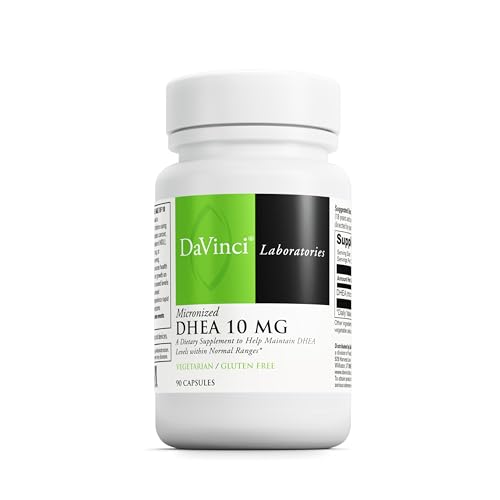
While oral administration is convenient, its efficiency in delivering unmetabolized DHEA to the systemic circulation can be limited due to this extensive first-pass metabolism. This is a key factor to consider when evaluating the potential effects of oral DHEA forms absorption.
Transdermal and Vaginal DHEA: Bypassing First-Pass Metabolism
Transdermal DHEA, typically applied as a cream or gel to the skin, offers an alternative route of administration. This method allows DHEA to be absorbed directly into the bloodstream through the skin, potentially bypassing the liver’s first-pass metabolism [1]. By avoiding this initial metabolic breakdown, transdermal DHEA may lead to a higher proportion of unmetabolized DHEA reaching the systemic circulation compared to oral administration.
Similarly, vaginal DHEA, often available as suppositories or inserts, is designed for local absorption within the vaginal tissues. This route is particularly relevant for women experiencing genitourinary symptoms of menopause, as it can deliver DHEA directly to the target tissues. Like transdermal application, vaginal DHEA can minimize systemic exposure to liver metabolism, allowing for more localized effects and potentially a different systemic DHEA profile compared to oral intake [1].
The ability of transdermal and vaginal DHEA forms to avoid significant first-pass metabolism is a key advantage for some individuals, as it may allow for lower doses to achieve desired local or systemic effects while potentially reducing the impact of liver metabolism on the overall DHEA profile.
Factors Influencing Bioavailability and Efficacy
Bioavailability refers to the proportion of a substance that enters the circulation and is able to have an active effect [2]. Beyond the route of administration, several factors can influence the bioavailability and, consequently, the efficacy of DHEA. These include the specific formulation (e.g., immediate release vs. sustained release), the presence of excipients, and individual differences in metabolism.

For example, advancements in drug delivery systems, such as lipid nanoparticles, are being explored to enhance the oral bioavailability of various compounds by protecting them from degradation and improving absorption [3]. While these technologies are not universally applied to all DHEA supplements, they illustrate the ongoing efforts to optimize absorption and bioavailability for different substances.
Ultimately, the ‘efficacy’ or observed effects of DHEA supplementation are a result of how well the DHEA is absorbed and made available to the body’s tissues. Factors like DHEA forms absorption, individual metabolic rates, and the specific tissues targeted can all play a role in the overall outcome. It’s important to recognize that what works for one individual may not be optimal for another due to these variables.

Choosing a DHEA Form: What to Consider
When considering DHEA supplementation, the choice of form should ideally be made in consultation with a healthcare professional. They can help evaluate individual needs, potential goals, and any existing health conditions. The desired outcome, whether it’s systemic hormonal support or localized effects, can also guide the selection of a DHEA form.
For instance, if the aim is to broadly influence systemic DHEA levels, oral supplementation might be considered, with an understanding of its first-pass metabolism. If the focus is on localized effects, such as vaginal health, a vaginal DHEA form might be more appropriate due to its direct delivery to the target area and reduced systemic exposure [1].
It’s also important to consider the purity and quality of any DHEA supplement. Reputable manufacturers often provide third-party testing to verify the contents and ensure that the product contains the stated amount of DHEA. Discussing DHEA forms absorption with a healthcare provider can help ensure an informed approach to supplementation.

References
- Dehydroepiandrosterone (DHEA): Pharmacological Effects and Potential Therapeutic Application. Mini reviews in medicinal chemistry, 2023
- Bioavailability of magnesium food supplements: A systematic review. Nutrition (Burbank, Los Angeles County, Calif.), 2021
- Lipid nanoparticles for enhancing oral bioavailability. Nanoscale, 2024
These statements have not been evaluated by the Food and Drug Administration. This information is not intended to diagnose, treat, cure, or prevent any disease. Content is for informational purposes only and is not medical advice; consult a qualified healthcare provider before starting any supplement. As an Amazon Associate we earn from qualifying purchases.