Affiliate disclosure: As an Amazon Associate, this site earns from qualifying purchases linked in this article.
Dehydroepiandrosterone (DHEA) is a steroid hormone produced primarily by the adrenal glands. While often discussed in the context of general well-being, its role as a precursor hormone, especially for estrogen and testosterone, is a key aspect of its biological function.
Understanding how DHEA transforms into other hormones is important for women navigating midlife and menopause. This article will explore the process of DHEA conversion, highlighting its significance within the body’s hormonal system.
What is DHEA?
DHEA is the most abundant steroid hormone in the human body. It is mainly synthesized in the adrenal glands, with smaller amounts produced in the gonads and brain [1]. DHEA levels typically peak in early adulthood and then gradually decline with age, a phenomenon sometimes referred to as ‘adrenopause’ [2]. This decline is a normal part of the aging process [2].
DHEA itself is considered a relatively weak androgen. Its significance largely stems from its ability to serve as a building block for more potent sex hormones. This precursor role is central to its biological actions, particularly in peripheral tissues [3].
The Concept of Intracrinology: Local Hormone Conversion
A crucial concept for understanding DHEA’s function is ‘intracrinology.’ This term describes the process where steroid hormones are synthesized and inactivated within the same peripheral tissue or cell where they act, without being released into the general circulation [4][5]. In essence, the conversion of DHEA into more active hormones often happens locally, right where those hormones are needed [3].

This local conversion means that DHEA can be transformed into estrogens and androgens directly in target tissues, such as the skin, bone, and brain [5][3]. This localized metabolism allows for precise control over hormone levels in specific areas, rather than relying solely on hormones circulating throughout the bloodstream [3].
DHEA’s Pathway to Androgens (Like Testosterone)
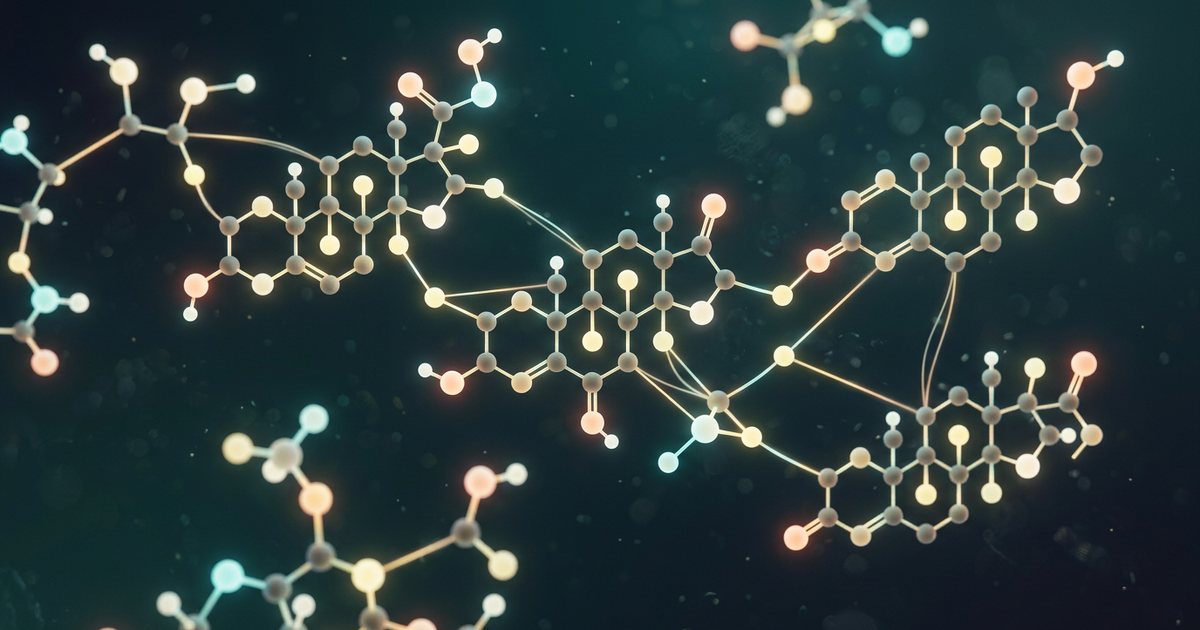
DHEA is a direct precursor to androgens, including testosterone. The conversion process involves several enzymatic steps. Once DHEA is produced by the adrenal glands, it can be converted into androstenedione, which then further converts into testosterone [6][7]. This conversion can occur in various peripheral tissues, contributing to the local availability of androgens [3].
In women, the adrenal glands are the primary source of androgens, largely through their production of DHEA and DHEA sulfate (DHEA-S) [8][7]. While the ovaries also produce some androgens, the contribution from DHEA conversion in peripheral tissues is significant, particularly as women age [7]. The availability of testosterone from DHEA conversion can influence various physiological processes in women, including skin health [9].
DHEA’s Pathway to Estrogens
Beyond its role as an androgen precursor, DHEA can also be converted into estrogens. This conversion typically follows the androgen pathway: DHEA first converts to androstenedione, which can then be aromatized into estrone. Estrone can then be further converted into estradiol, a more potent estrogen [10][3]. This process is particularly relevant in postmenopausal women, where ovarian estrogen production significantly declines. In these women, peripheral conversion of DHEA becomes a more important source of estrogens [3].

The ability of DHEA to convert into both androgens and estrogens highlights its versatility as a precursor hormone. This dual pathway allows the body to maintain a balance of sex hormones, even when direct production from the ovaries or testes diminishes [3].
Why This Conversion Matters for Midlife Women
As women enter midlife and experience menopause, ovarian production of sex hormones, particularly estrogen, decreases significantly. During this time, the body’s reliance on peripheral conversion of DHEA to maintain some level of sex hormones becomes more pronounced [3].
The local conversion of DHEA to estrogens and androgens in various tissues can support functions in those specific areas. For example, DHEA conversion in the skin can influence its health and appearance [5]. Understanding this intricate process helps in appreciating the nuanced ways the body manages hormone balance during significant life stages like menopause.

References
- Regulation of the adrenal androgen biosynthesis. The Journal of steroid biochemistry and molecular biology, 2008
- Adrenopause. Hormone research, 2004
- DHEA and its transformation into androgens and estrogens in peripheral target tissues: intracrinology. Frontiers in neuroendocrinology, 2001
- Intracrinology. Molecular and cellular endocrinology, 1991
- Intracrinology and the skin. Hormone research, 2000
- Androgen therapy in women. European journal of endocrinology, 2006
- [Androgen deficiency in women]. Endokrynologia Polska, 2005
- Update on adrenarche. Current opinion in pediatrics, 2020
- Hirsutism. Dermatologic clinics, 1987
- Conversion of dehydroepiandrosterone sulfate (DHEA-S) to estrogens and testosterone in young non-pregnant women. Hormone and metabolic research = Hormon- und Stoffwechselforschung = Hormones et metabolisme, 1990
These statements have not been evaluated by the Food and Drug Administration. This information is not intended to diagnose, treat, cure, or prevent any disease. Content is for informational purposes only and is not medical advice; consult a qualified healthcare provider before starting any supplement. As an Amazon Associate we earn from qualifying purchases.