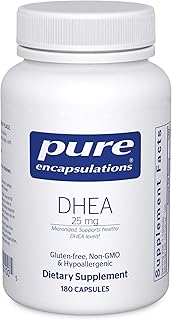
Affiliate disclosure: As an Amazon Associate, this site earns from qualifying purchases linked in this article.
Navigating midlife and menopause often involves exploring various approaches to support well-being. Dehydroepiandrosterone (DHEA) is a naturally occurring steroid hormone that has garnered attention for its potential roles in the body [1]. Similarly, caffeine, a widely consumed stimulant, is known for its effects on alertness and cognitive function [2][3].
Many women incorporate both DHEA supplementation and caffeine into their daily routines. This raises a natural question: do DHEA and caffeine interact, potentially affecting each other’s efficacy or safety? This article explores the current scientific understanding, acknowledging that evidence on this specific dhea caffeine interaction is limited.
Understanding DHEA and its Role in the Body
DHEA is a precursor hormone, meaning it can be converted into other hormones, including androgens and estrogens, within the body [1]. Its levels naturally decline with age [4]. Research has explored DHEA’s potential involvement in various physiological processes, though its exact mechanisms and overall impact are still being investigated [1].
Studies have examined DHEA in relation to aspects like physical exercise [5], mortality [6], and conditions such as Alzheimer’s disease [7] and breast cancer [8]. However, it’s important to remember that DHEA’s role is complex and not fully understood, with ongoing research continuing to clarify its effects [1].

Caffeine: Effects on the Body and Mind
Caffeine is a central nervous system stimulant that can influence various bodily functions. It is widely recognized for its ability to enhance cognitive performance, including alertness and attention, and to improve physical performance [2][3][9]. These effects are often why people consume caffeinated beverages like coffee, tea, and energy drinks.

Beyond its well-known stimulant properties, caffeine may also influence appetite control [10]. While many of caffeine’s effects are well-documented, the nuances of its impact, especially in combination with other compounds, are still areas of active research [9].
Exploring the DHEA Caffeine Interaction: What the Evidence Shows
When considering a dhea caffeine interaction, it’s crucial to consult scientific literature. Currently, direct evidence specifically examining how DHEA and caffeine affect each other’s efficacy or safety is limited. The provided scientific literature extensively discusses DHEA’s pharmacological effects and potential applications [1], and separately, caffeine’s impact on cognitive and physical performance [2][3][9]. However, none of the cited studies directly investigate a synergistic or antagonistic relationship between DHEA and caffeine.
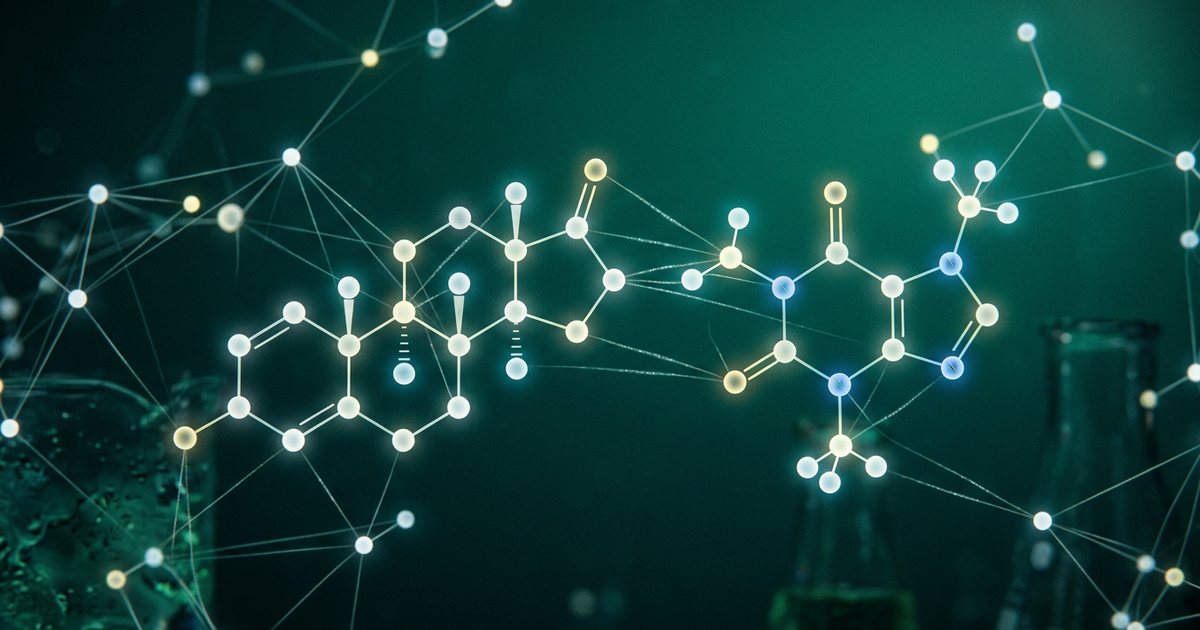
This absence of direct research means that we currently lack specific data to suggest how DHEA might alter caffeine’s impact, or vice-versa. While both compounds influence physiological systems, the mechanisms of a potential DHEA-caffeine interaction have not been a primary focus of published research. Therefore, any conclusions about their combined effects would be speculative without further dedicated study.
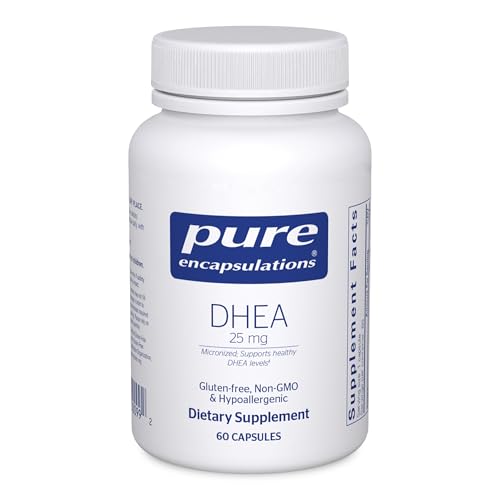
It is important for individuals considering both DHEA supplementation and caffeine intake to understand that the scientific community has not yet thoroughly explored their combined effects. Without specific studies addressing this interaction, it is not possible to definitively state whether they enhance, diminish, or have no effect on each other’s efficacy or safety.
Considerations for Women in Midlife and Menopause
For women navigating midlife and menopause, understanding the individual effects of DHEA and caffeine is important. While DHEA levels decline with age [4], and caffeine is used for its stimulant properties [2], the combined use of these substances requires a cautious approach due to the limited research on their interaction.
Given the current lack of specific evidence on a dhea caffeine interaction, women should be mindful of how each substance individually affects their body. Observing personal responses to DHEA and caffeine separately, and then in combination, may offer some insight, but this is not a substitute for scientific evidence. It is always advisable to discuss any supplementation with a healthcare professional.
References
- Dehydroepiandrosterone (DHEA): Pharmacological Effects and Potential Therapeutic Application. Mini reviews in medicinal chemistry, 2023
- Caffeine: cognitive and physical performance enhancer or psychoactive drug?. Current neuropharmacology, 2015
- A review of caffeine’s effects on cognitive, physical and occupational performance. Neuroscience and biobehavioral reviews, 2016
- [Dehydroepiandrosterone (DHEA)–youth hormone?]. Wiadomosci lekarskie (Warsaw, Poland : 1960), 2001
- DHEA, physical exercise and doping. The Journal of steroid biochemistry and molecular biology, 2015
- DHEA and mortality: what is the nature of the association?. The Journal of steroid biochemistry and molecular biology, 2015
- Dehydroepiandrosterone (DHEA) and its Sulphate (DHEAS) in Alzheimer’s Disease. Current Alzheimer research, 2020
- Dehydroepiandrosterone (DHEA) in relation to breast cancer. Vitamins and hormones, 2025
- Common questions and misconceptions about caffeine supplementation: what does the scientific evidence really show?. Journal of the International Society of Sports Nutrition, 2024
- Caffeine, coffee, and appetite control: a review. International journal of food sciences and nutrition, 2017
These statements have not been evaluated by the Food and Drug Administration. This information is not intended to diagnose, treat, cure, or prevent any disease. Content is for informational purposes only and is not medical advice; consult a qualified healthcare provider before starting any supplement. As an Amazon Associate we earn from qualifying purchases.