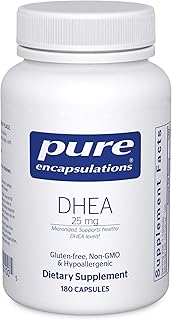
Affiliate disclosure: As an Amazon Associate, this site earns from qualifying purchases linked in this article.
Navigating the changes of midlife and menopause often involves exploring various options to support well-being. Among these, DHEA (dehydroepiandrosterone) and Hormone Replacement Therapy (HRT) frequently come up in discussions. While both involve hormones, they represent distinct approaches with different mechanisms and considerations.
Understanding the fundamental differences between DHEA and HRT is crucial for making informed decisions. This article aims to clarify how these two options function and what the available evidence suggests about their roles in managing menopausal symptoms, emphasizing that they are not interchangeable but rather distinct tools.
What is DHEA and How Does it Relate to Menopause?
DHEA is a hormone produced naturally by the adrenal glands, and to a lesser extent, by the ovaries. It serves as a precursor to other hormones, including androgens and estrogens. Levels of DHEA tend to decline with age, with significant reductions observed during the menopausal transition and beyond [1]. This natural decline has led to interest in DHEA supplementation for various age-related changes.
In the context of menopause, DHEA is considered an alternative or complementary approach rather than a direct replacement for estrogen and progesterone, which are the primary components of traditional HRT. Its influence on symptoms is thought to be through its conversion into other sex steroids within tissues, allowing for localized effects. This ‘intracrine’ action, where hormones are produced and act within the same cell, differentiates it from systemic hormone therapies.
Research has explored DHEA’s potential impact on specific menopausal symptoms. For example, a study examining low-dose DHEA therapy over one year found effects on climacteric symptoms and female sexuality [2]. However, it’s important to note that DHEA is not typically prescribed to address all symptoms of menopause universally in the same way that HRT might be.
Understanding Hormone Replacement Therapy (HRT) for Menopause
Hormone Replacement Therapy (HRT), also sometimes referred to as Menopausal Hormone Therapy (MHT), involves supplementing the body with estrogen, often combined with progesterone, to replace the hormones that naturally decrease during menopause. The primary goal of HRT is to alleviate a broad range of menopausal symptoms, such as hot flashes, night sweats, and vaginal dryness, and to support bone health.

HRT regimens can vary significantly, including different types of estrogens and progestogens, dosages, and routes of administration (e.g., oral pills, patches, gels, vaginal rings). These variations can influence circulating hormone levels [3]. The choice of HRT depends on individual health profiles, symptom severity, and personal preferences, and is typically a decision made in consultation with a healthcare provider.

The effectiveness of HRT in managing common menopausal symptoms is well-documented, offering significant relief for many women. However, like any medical intervention, HRT comes with its own set of considerations and potential risks, which healthcare providers discuss thoroughly with individuals considering this option [4].
Key Differences: DHEA vs. HRT in Menopause Management
The fundamental difference between DHEA and HRT lies in their composition and how they interact with the body’s hormonal system. HRT directly replaces estrogen (and often progesterone), aiming to restore systemic levels of these hormones. DHEA, on the other hand, is a precursor hormone; its effects are largely dependent on its conversion into other sex steroids within various tissues, rather than directly supplying estrogen or progesterone .
This distinction means they often target different aspects of menopausal well-being or address symptoms through different pathways. HRT is generally considered the most effective approach for widespread vasomotor symptoms like hot flashes and night sweats. DHEA, particularly in localized forms, has shown promise for specific symptoms, such as those related to genitourinary syndrome of menopause (GSM) [5].
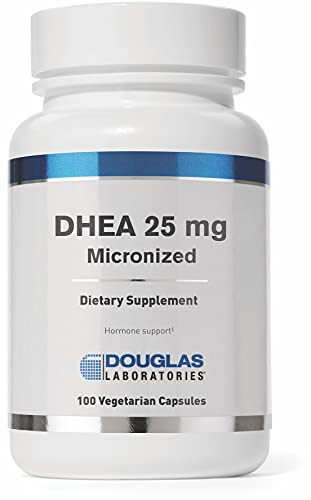
The regulatory status and prescribing practices also differ. HRT products are approved medications with specific indications, dosages, and monitoring guidelines. DHEA is available as a supplement, and while it is sometimes prescribed by healthcare providers, its use often falls into a different category of oversight and evidence base compared to pharmaceutical-grade HRT.
When Might DHEA Be Considered? When is HRT the Primary Option?
DHEA may be considered for women experiencing certain menopausal symptoms, particularly those related to sexual function or vaginal health, especially when systemic estrogen therapy is not preferred or is contraindicated. Some evidence suggests DHEA can influence climacteric symptoms and female sexuality [2]. For genitourinary syndrome of menopause (GSM), non-estrogen therapies, including DHEA, are among the alternatives explored [5]. Its localized application can offer benefits with potentially fewer systemic effects.
HRT remains the primary and most thoroughly studied option for women experiencing moderate to severe vasomotor symptoms (hot flashes, night sweats) and for those seeking support for bone density. It is also highly effective for improving quality of life for women significantly impacted by a wide range of menopausal symptoms [4]. Decisions about HRT are highly individualized, considering a woman’s age, time since menopause, symptom severity, and overall health history.
For women with specific health concerns, such as a history of certain cancers, traditional HRT may not be suitable. In such cases, alternative therapies, including DHEA or other non-estrogen options, become particularly relevant for symptom management [6][7]. The choice between DHEA, HRT, or other approaches should always be made in close consultation with a healthcare professional who can weigh individual risks and benefits.


References
- Reduced androgen levels in adult turner syndrome: influence of female sex steroids and growth hormone status. Clinical endocrinology, 1999
- Effect of 1-year, low-dose DHEA therapy on climacteric symptoms and female sexuality. Climacteric : the journal of the International Menopause Society, 2011
- Circulating hormone levels in menopausal women receiving different hormone replacement therapy regimens. A comparison. The Journal of reproductive medicine, 1995
- State of the art in menopause: current best practice approaches from the IMS World Congress 2024, Melbourne. Climacteric : the journal of the International Menopause Society, 2025
- Nonestrogen Therapies for Treatment of Genitourinary Syndrome of Menopause: A Systematic Review. Obstetrics and gynecology, 2023
- Hormone replacement therapy in gynecologic cancer: oncologic safety and alternative therapies. International journal of gynecological cancer : official journal of the International Gynecological Cancer Society, 2026
- A Case of Sudden Shock during Caesarean Section in whi ch Amniotic Fluid Embolism is Suspected. Masui. The Japanese journal of anesthesiology, 2017
These statements have not been evaluated by the Food and Drug Administration. This information is not intended to diagnose, treat, cure, or prevent any disease. Content is for informational purposes only and is not medical advice; consult a qualified healthcare provider before starting any supplement. As an Amazon Associate we earn from qualifying purchases.