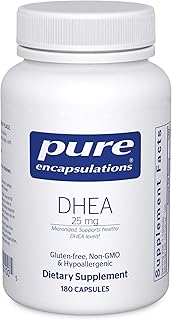
Affiliate disclosure: As an Amazon Associate, this site earns from qualifying purchases linked in this article.
As women navigate the hormonal shifts of perimenopause and menopause, interest in supplements like DHEA (dehydroepiandrosterone) often arises. DHEA is a hormone produced by the adrenal glands, and its levels naturally decline with age. When considering DHEA supplementation, a key decision involves the method of delivery: oral or topical.
This article will explore the current understanding of oral versus topical DHEA, examining how each method is processed by the body and what that might mean for women experiencing midlife changes. Our aim is to provide evidence-based information to help you understand these differences, focusing on absorption and potential systemic effects.
What is DHEA and Why Consider Supplementation?
DHEA is a steroid hormone that serves as a precursor to other hormones, including androgens and estrogens. It is the most abundant steroid hormone in the human body. As women enter perimenopause and menopause, their natural DHEA levels tend to decrease.
Some women explore DHEA supplementation in an effort to support hormone balance during this transitional period. The effects of DHEA can vary based on individual physiology and the method of administration. Understanding how DHEA is absorbed and metabolized is crucial for anyone considering its use.
Oral DHEA: Systemic Absorption and Metabolism
When DHEA is taken orally, it is absorbed through the digestive system. Upon absorption, oral DHEA undergoes significant first-pass metabolism in the liver. This means that a substantial portion of the DHEA is converted into other steroid hormones, such as androstenedione, testosterone, and estrogens, before it circulates throughout the body [1].

This extensive liver metabolism means that oral DHEA can lead to elevated levels of various steroid hormones in the bloodstream. Studies have shown that oral DHEA can increase circulating levels of both androgens and estrogens [1][2]. The specific metabolic pathway can vary between individuals, and factors such as dose and individual liver enzyme activity may influence the outcome. For example, some research has noted peculiar observations in measuring testosterone in women using oral contraceptives supplemented with DHEA [3].
The systemic effects of oral DHEA can therefore be broad, influencing various tissues and systems throughout the body. While this systemic reach might be desirable for some, it also means a wider potential for effects on different hormone-sensitive tissues.
Topical DHEA: Localized vs. Systemic Effects
Topical DHEA refers to formulations applied to the skin, such as creams, gels, or patches. The absorption of topical DHEA can vary depending on the specific formulation and the area of application [4]. The goal of topical application is often to achieve more localized effects with potentially less systemic exposure compared to oral administration.

When DHEA is applied topically, it can be absorbed through the skin and directly into the local tissues. This route may allow for a more direct effect on the applied area, such as the vaginal tissues, with less initial processing by the liver [5]. However, some systemic absorption can still occur, meaning that topical DHEA is not entirely localized and can still contribute to circulating hormone levels, though often to a lesser extent than oral forms [1].
The extent of systemic absorption from topical DHEA depends on factors like the concentration of DHEA in the product, the surface area of application, and the integrity of the skin barrier. For instance, specific formulations like prasterone (a synthetic DHEA) delivered vaginally have been studied for localized effects on vaginal health with minimal systemic absorption [5].
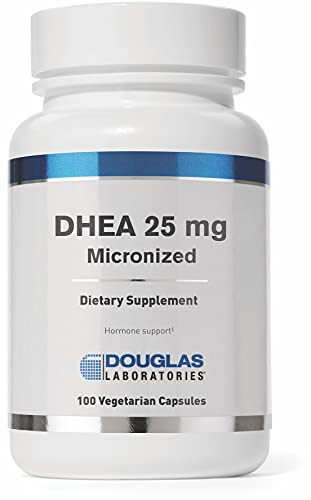
Comparing Oral and Topical DHEA for Midlife Symptoms
The choice between oral and topical DHEA often depends on the specific concerns a woman is addressing. If the aim is to influence systemic hormone levels broadly, oral DHEA might be considered due to its significant first-pass metabolism into various circulating steroids [1][2]. This could potentially impact symptoms that are linked to overall hormone balance.
However, if the focus is on localized issues, such as vaginal discomfort often experienced during perimenopause and menopause, topical DHEA (especially in a vaginal formulation) may be explored. This approach aims to deliver DHEA directly to the target tissue, potentially mitigating some localized symptoms with less systemic impact [5].
It’s important to note that the “best” method is highly individual. The moderate strength of current evidence suggests that both methods have different pharmacokinetic profiles and potential effects. The varying metabolic pathways and absorption rates mean that women may respond differently to each delivery method. Therefore, a careful assessment of individual needs and potential outcomes is essential.

References
- Bioavailability and metabolism of oral and percutaneous dehydroepiandrosterone in postmenopausal women. The Journal of steroid biochemistry and molecular biology, 2007
- Androgen replacement therapy in women. Fertility and sterility, 2004
- Peculiar observations in measuring testosterone in women treated with oral contraceptives supplemented with dehydroepiandrosterone (DHEA). Clinica chimica acta; international journal of clinical chemistry, 2014
- Development of patches for the controlled release of dehydroepiandrosterone. Drug development and industrial pharmacy, 2001
- Prasterone. American journal of health-system pharmacy : AJHP : official journal of the American Society of Health-System Pharmacists, 2006
These statements have not been evaluated by the Food and Drug Administration. This information is not intended to diagnose, treat, cure, or prevent any disease. Content is for informational purposes only and is not medical advice; consult a qualified healthcare provider before starting any supplement. As an Amazon Associate we earn from qualifying purchases.