Affiliate disclosure: As an Amazon Associate, this site earns from qualifying purchases linked in this article.
Dehydroepiandrosterone (DHEA) is an endogenous steroid hormone produced primarily by the adrenal glands. It is often discussed in the context of aging and hormonal changes, particularly as women navigate midlife and menopause. Understanding DHEA’s function as a hormone precursor is key to appreciating its potential role in the body.
This article will explore the mechanisms by which DHEA acts as a precursor, its conversion pathways, and the implications of these processes. We will focus on evidence-based insights, providing a clear and non-hyped perspective on DHEA’s intricate involvement in steroidogenesis.
What is DHEA and Where is it Produced?
DHEA is a steroid hormone that is highly abundant in the human body. Its primary site of production is the adrenal cortex, with smaller amounts also being made in the gonads and brain [1]. DHEA circulates in the bloodstream predominantly in its sulfated form, DHEA-S (dehydroepiandrosterone sulfate), which acts as a reservoir for DHEA [1].
The production of DHEA-S by the adrenal glands increases significantly during adrenarche, a phase of development typically occurring between 6 and 8 years of age, which precedes puberty [2]. Levels of DHEA and DHEA-S generally peak in early adulthood and then gradually decline with age [3][4].
DHEA’s Role as a Hormone Precursor
The fundamental role of DHEA is its capacity to serve as a precursor for other steroid hormones, including androgens (like testosterone) and estrogens (like estradiol) [1]. This means that DHEA itself is not the final active hormone in many cases, but rather a building block that the body can convert into more potent hormones as needed. This conversion process occurs in various tissues throughout the body, making DHEA a crucial component of the overall steroidogenic pathway [1].

The conversion of DHEA into other steroids involves a series of enzymatic reactions. These enzymes are present in different tissues, allowing for the localized production of specific hormones. This ‘intracrine’ metabolism, where hormones are synthesized and act within the same cell or tissue, is a significant aspect of DHEA’s function [1].
Pathways of DHEA Conversion: Androgens and Estrogens
DHEA can be converted into androstenedione, which is then further metabolized into testosterone. This pathway is particularly relevant for androgen production. Testosterone, in turn, can be converted into dihydrotestosterone (DHT), a more potent androgen, or into estrogens via the aromatase enzyme [1].
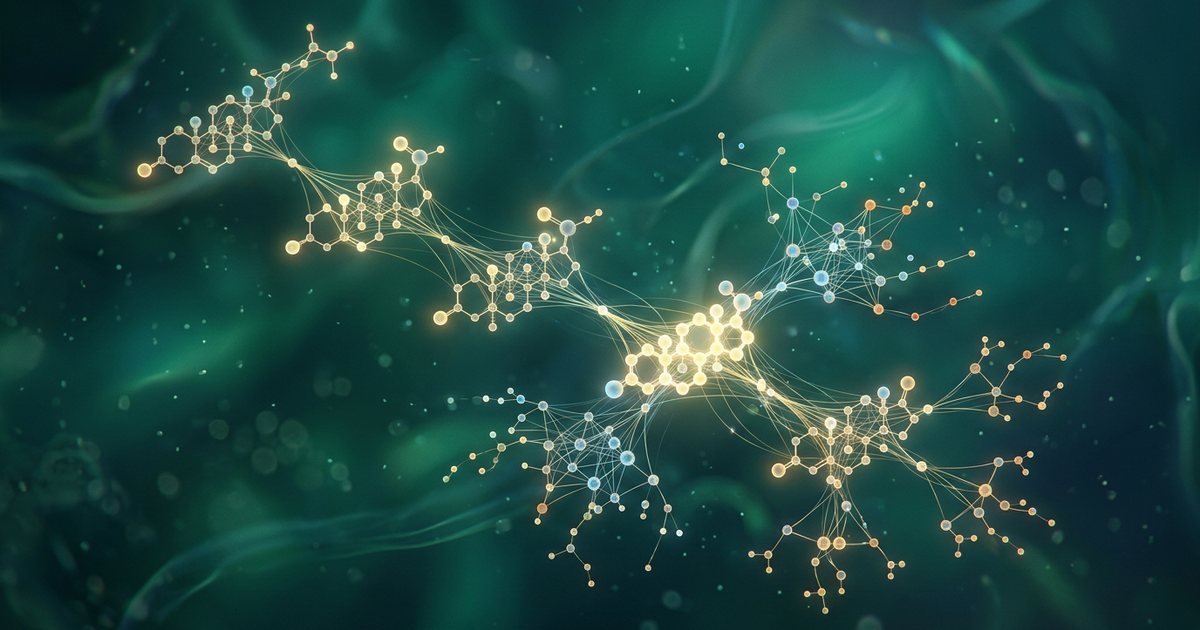
The conversion of androgens into estrogens is a critical step, especially in postmenopausal women where ovarian estrogen production declines. DHEA can provide a substrate for estrogen synthesis in peripheral tissues, potentially influencing hormonal balance during this life stage [1]. The efficiency of these conversion pathways can vary depending on individual factors and tissue-specific enzyme expression [5][6].
Enzymatic Processes in Steroidogenesis
The conversion of DHEA into other hormones relies heavily on specific steroidogenic enzymes. Key enzymes involved include 3β-hydroxysteroid dehydrogenase (3β-HSD), which converts DHEA to androstenedione, and 17β-hydroxysteroid dehydrogenase (17β-HSD), which interconverts androstenedione and testosterone, and estrone and estradiol [6]. Aromatase is another crucial enzyme, responsible for the conversion of androgens into estrogens [6].

The activity and expression of these enzymes are regulated by various factors and can differ across tissues. For instance, granulosa cells in the ovaries play a significant role in steroidogenesis, and their function can be influenced by metabolic disturbances [7][8]. Understanding these enzymatic steps helps to clarify how DHEA contributes to the body’s complex hormonal landscape [6].
Implications for Midlife and Menopause
As women enter midlife and menopause, the production of ovarian hormones, particularly estrogens, decreases significantly. The adrenal glands continue to produce DHEA, which can then be converted into androgens and estrogens in peripheral tissues [3]. This peripheral conversion of DHEA may contribute to maintaining some level of sex hormone activity, potentially influencing various bodily functions during this transition.
While DHEA levels naturally decline with age, the body’s ability to utilize DHEA as a precursor remains relevant. The localized conversion of DHEA into more potent sex hormones highlights its potential role in mitigating some effects of declining ovarian hormone production [3]. However, the extent and clinical significance of these conversions can vary among individuals.

References
- Dehydroepiandrosterone metabolism. The Journal of endocrinology, 1996
- Update on adrenarche. Current opinion in pediatrics, 2020
- Dehydroepiandrosterone and ageing. Best practice & research. Clinical endocrinology & metabolism, 2004
- [Dehydroepiandrosterone (DHEA)–youth hormone?]. Wiadomosci lekarskie (Warsaw, Poland : 1960), 2001
- Efficiency of the sulfate pathway in comparison to the Δ4- and Δ5-pathway of steroidogenesis in the porcine testis. The Journal of steroid biochemistry and molecular biology, 2018
- Steroidogenic enzymes. Endocrine development, 2008
- Effects of Androgen Excess-Related Metabolic Disturbances on Granulosa Cell Function and Follicular Development. Frontiers in endocrinology, 2022
- Up-regulated WNT5A in PCOS affects steroidogenesis, proliferation and apoptosis of granulosa cells through the PI3K/AKT pathway. Journal of ovarian research, 2025
These statements have not been evaluated by the Food and Drug Administration. This information is not intended to diagnose, treat, cure, or prevent any disease. Content is for informational purposes only and is not medical advice; consult a qualified healthcare provider before starting any supplement. As an Amazon Associate we earn from qualifying purchases.