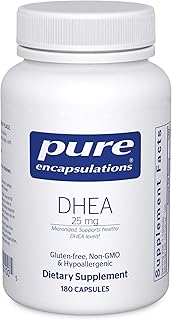
Affiliate disclosure: As an Amazon Associate, this site earns from qualifying purchases linked in this article.
As women navigate midlife and menopause, many become curious about various compounds that might support well-being. Dehydroepiandrosterone (DHEA), a hormone produced by the adrenal glands, is one such compound that often comes up in discussions. It is a precursor to other hormones, including estrogens and androgens [1].
Given the wide-ranging influence of DHEA and the critical role of thyroid hormones in various bodily processes, it’s natural to wonder about the potential relationship between DHEA and thyroid function. Thyroid hormones are essential for many functions, including fetal brain development, metabolism, cardiovascular system health, and healthy aging [2][3][4].
What is DHEA?
DHEA is a steroid hormone that is naturally produced in the body, primarily by the adrenal glands. It serves as a precursor, meaning it can be converted into other hormones, such as estrogens and androgens, within various tissues [1]. DHEA levels typically peak in early adulthood and then gradually decline with age [5]. This age-related decline has led to interest in DHEA supplementation, particularly as women enter midlife and menopause.

The Role of Thyroid Hormones
Thyroid hormones, primarily thyroxine (T4) and triiodothyronine (T3), are crucial for regulating metabolism and influencing the function of nearly every organ system in the body. They play a vital role in energy production, body temperature regulation, and maintaining healthy skin, hair, and nails. Beyond these systemic effects, thyroid hormones are particularly important for processes such as fetal brain development [2].

The balanced production and function of thyroid hormones are essential for overall health. Imbalances, whether too much or too little, can lead to a variety of symptoms and health concerns. For instance, thyroid hormones are known to impact the cardiovascular system [3] and play a role in the aging process [4].
Exploring the Connection: DHEA and Thyroid Function
The potential relationship between DHEA and thyroid function is a topic of ongoing scientific inquiry. Both hormones are integral to endocrine system health and overall well-being. Some researchers have explored whether DHEA supplementation might influence thyroid hormone levels or thyroid gland function, especially in populations where DHEA levels are naturally lower, such as in older adults [5].
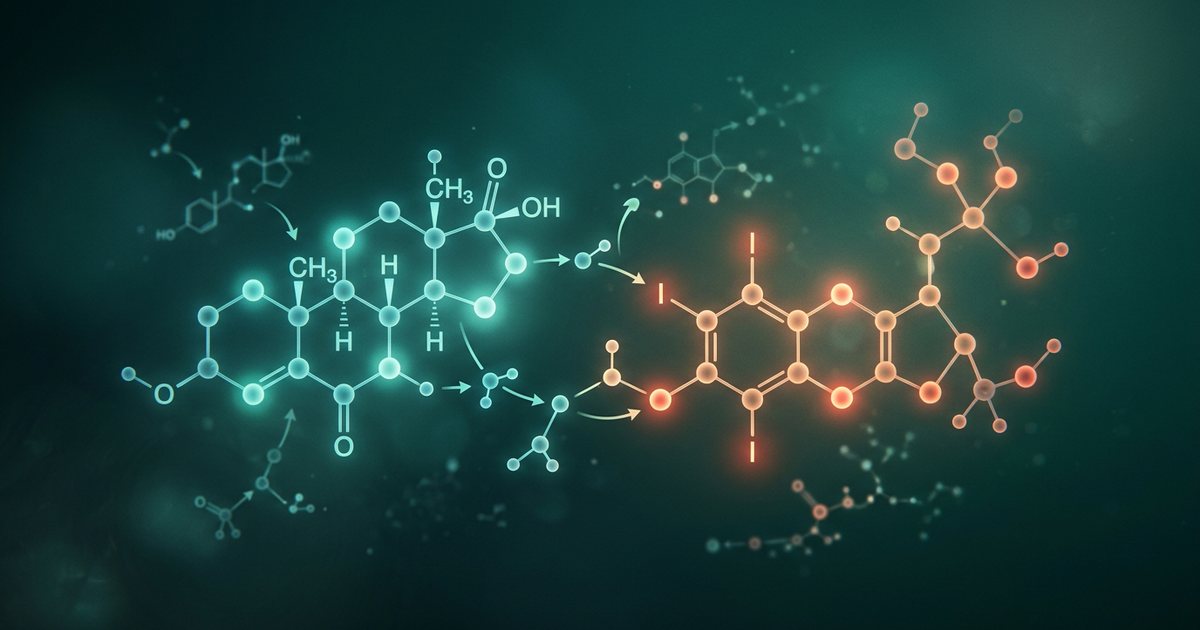
However, it is important to emphasize that the current body of evidence specifically linking DHEA to direct or significant changes in thyroid function, particularly in healthy midlife women, is limited. While DHEA has various pharmacological effects [1], and thyroid hormones have widespread impacts [2][3], robust clinical trials demonstrating a consistent and clinically meaningful impact of DHEA supplementation on thyroid hormone levels or thyroid health in menopausal women are not extensively documented in the published literature.
Some research has investigated DHEA in relation to other health considerations, such as its association with mortality [6], Alzheimer’s disease [7], and breast cancer [8], or its use in physical exercise and doping contexts [9]. However, these areas of study do not directly address the specific interplay between DHEA and thyroid function.
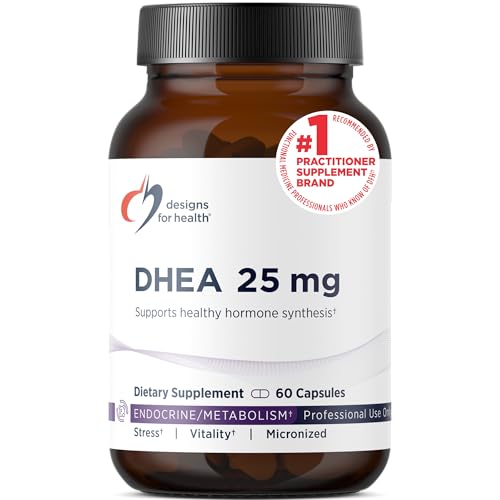
What the Evidence Does (and Doesn’t) Say
Based on the published literature, there is no strong indication or extensive research detailing a direct and consistent impact of DHEA supplementation on thyroid hormone levels or thyroid gland function in midlife women. While DHEA is a hormone with diverse effects [1], and thyroid hormones are critical for numerous bodily processes [2][3], the specific interaction between DHEA and thyroid function is not prominently addressed within the cited literature.
It is crucial for women considering DHEA supplementation to understand that current research, as presented here, does not provide conclusive findings about its effects on thyroid health. The absence of specific studies in this area means that any potential benefits or risks regarding dhea thyroid function remain largely unconfirmed. Thyroid hormones themselves are known for their rapid action through surface delivery mechanisms [10], highlighting the precision and sensitivity of the thyroid system.
References
- Dehydroepiandrosterone (DHEA): Pharmacological Effects and Potential Therapeutic Application. Mini reviews in medicinal chemistry, 2023
- Thyroid hormones and fetal brain development. Minerva ginecologica, 2005
- Thyroid hormones and the cardiovascular system: pathophysiology and interventions. Biomedicine & pharmacotherapy = Biomedecine & pharmacotherapie, 2009
- Thyroid hormones and aging. Hormones (Athens, Greece), 2008
- [Dehydroepiandrosterone (DHEA)–youth hormone?]. Wiadomosci lekarskie (Warsaw, Poland : 1960), 2001
- DHEA and mortality: what is the nature of the association?. The Journal of steroid biochemistry and molecular biology, 2015
- Dehydroepiandrosterone (DHEA) and its Sulphate (DHEAS) in Alzheimer’s Disease. Current Alzheimer research, 2020
- Dehydroepiandrosterone (DHEA) in relation to breast cancer. Vitamins and hormones, 2025
- DHEA, physical exercise and doping. The Journal of steroid biochemistry and molecular biology, 2015
- Thyroid hormones: rapid reply by surface delivery only. Endocrinology, 2005
These statements have not been evaluated by the Food and Drug Administration. This information is not intended to diagnose, treat, cure, or prevent any disease. Content is for informational purposes only and is not medical advice; consult a qualified healthcare provider before starting any supplement. As an Amazon Associate we earn from qualifying purchases.