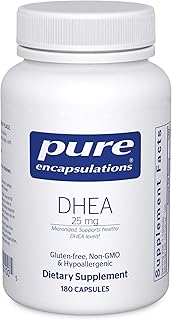
Affiliate disclosure: As an Amazon Associate, this site earns from qualifying purchases linked in this article.
As women navigate midlife and menopause, understanding various factors that can influence heart health becomes increasingly important. Cholesterol, a vital molecule for many bodily functions, is a key component in this discussion [1][2][3]. Many women consider DHEA supplementation, and a common question is how DHEA might interact with cholesterol levels.
This article aims to provide an evidence-based overview of the current research regarding DHEA and its potential effects on cholesterol, considering the implications for cardiovascular well-being. It’s important to approach this topic with a careful, informed perspective, relying on available scientific findings.
Understanding Cholesterol and Heart Health
Cholesterol is a waxy, fat-like substance found in all cells of the body. It is essential for producing hormones, vitamin D, and substances that help digest food [1]. The body makes all the cholesterol it needs, but it can also be obtained from food. High levels of certain types of cholesterol can be a concern for heart health, as they can contribute to plaque buildup in arteries, potentially leading to cardiovascular issues.
There are different types of cholesterol, often referred to as ‘good’ and ‘bad’ cholesterol. Low-density lipoprotein (LDL) cholesterol is often called ‘bad’ cholesterol because high levels can lead to plaque formation. High-density lipoprotein (HDL) cholesterol is often called ‘good’ cholesterol because it helps remove excess cholesterol from the arteries and transport it back to the liver for removal from the body [1]. Maintaining a healthy balance of these cholesterol types is a significant factor in supporting cardiovascular well-being.
What is DHEA?
Dehydroepiandrosterone (DHEA) is a steroid hormone naturally produced by the adrenal glands, gonads, and brain [4]. It is the most abundant circulating steroid hormone in the human body. DHEA serves as a precursor to other hormones, including androgens and estrogens [4]. Its levels naturally peak in early adulthood and then decline with age [5].

The interest in DHEA supplementation often stems from its wide-ranging physiological effects and its decline with age. Researchers have explored its potential roles in various bodily systems, including metabolism, immune function, and neurological processes [4][6]. However, its precise mechanisms and overall impact on health are still areas of ongoing study.

DHEA and Cholesterol: The Research Landscape
The relationship between DHEA and cholesterol levels is complex and has been a subject of scientific investigation. Some studies have indicated that DHEA supplementation might influence lipid profiles, including cholesterol. However, the findings are not always consistent, and the exact nature of this influence can vary depending on factors such as dosage, duration of supplementation, individual health status, and other variables.
One perspective suggests that DHEA may have an impact on cholesterol metabolism due to its role as a steroid precursor. Hormones derived from DHEA can interact with pathways involved in lipid synthesis and breakdown. However, specific findings on how DHEA supplementation affects LDL, HDL, and total cholesterol levels have shown mixed results in various research settings [4].
Some research has observed that DHEA administration might lead to a decrease in HDL (‘good’) cholesterol levels in certain populations [4]. Conversely, other studies have reported no significant changes or even positive effects on lipid profiles. These inconsistencies highlight the need for further robust research to fully understand the nuanced effects of DHEA on cholesterol, particularly in women navigating midlife and menopause.

Implications for Heart Health in Midlife Women
For women in midlife and menopause, maintaining optimal cardiovascular health is a key concern. Changes in hormone levels during this period can influence various aspects of health, including lipid metabolism. Given that DHEA levels naturally decline with age, and some women consider DHEA supplementation, understanding its potential impact on cholesterol is relevant [5].
If DHEA supplementation were to consistently lower HDL cholesterol, this could be a consideration for heart health, as HDL plays a protective role [1]. Conversely, if DHEA were found to improve other aspects of the lipid profile or have no adverse effect, it would influence its consideration for use. The current evidence suggests a complex interplay, and a direct, consistent, and universally applicable effect of DHEA on cholesterol levels that clearly benefits or harms heart health in midlife women has not been definitively established across all studies [4].
It is important to note that cardiovascular health involves many factors beyond just cholesterol levels, including blood pressure, inflammation, lifestyle choices, and genetic predispositions. Therefore, any potential impact of DHEA on heart health would need to be considered within this broader context. Research continues to explore the full spectrum of DHEA’s effects.
References
- Cholesterol Review: A Metabolically Important Molecule. Endocrine practice : official journal of the American College of Endocrinology and the American Association of Clinical Endocrinologists, 2020
- The shared role of cholesterol in neuronal and peripheral inflammation. Pharmacology & therapeutics, 2023
- Cholesterol metabolism: molecular mechanisms, biological functions, diseases, and therapeutic targets. Molecular biomedicine, 2025
- Dehydroepiandrosterone (DHEA): Pharmacological Effects and Potential Therapeutic Application. Mini reviews in medicinal chemistry, 2023
- [Dehydroepiandrosterone (DHEA)–youth hormone?]. Wiadomosci lekarskie (Warsaw, Poland : 1960), 2001
- Dehydroepiandrosterone (DHEA) and its Sulphate (DHEAS) in Alzheimer’s Disease. Current Alzheimer research, 2020
These statements have not been evaluated by the Food and Drug Administration. This information is not intended to diagnose, treat, cure, or prevent any disease. Content is for informational purposes only and is not medical advice; consult a qualified healthcare provider before starting any supplement. As an Amazon Associate we earn from qualifying purchases.