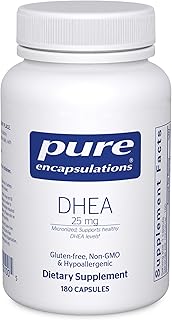
Affiliate disclosure: As an Amazon Associate, this site earns from qualifying purchases linked in this article.
Navigating the changes of perimenopause can bring many questions about how your body is shifting. As hormone levels fluctuate, some women start to explore different compounds that may play a role in their well-being during this time. One such compound that often comes up in discussions is dehydroepiandrosterone, or DHEA.
This guide aims to provide a clear, evidence-based understanding of what DHEA is, its natural function in the body, and why it might be discussed in the context of perimenopause. We’ll focus on information relevant to women experiencing midlife hormonal shifts, without making any medical claims or offering advice.
DHEA: A Natural Hormone in Your Body
DHEA is a steroid hormone that is naturally produced in the human body, primarily by the adrenal glands, which are located above your kidneys [1][2]. It’s considered a precursor hormone, meaning it can be converted into other hormones, including androgens (like testosterone) and estrogens (like estradiol) [3]. This conversion process is important for maintaining various bodily functions.
DHEA (dehydroepiandrosterone), in 3D

| Formula | C19H28O2 |
|---|---|
| Molar mass | 288.4 g/mol |
| IUPAC name | (3S,8R,9S,10R,13S,14S)-3-hydroxy-10,13-dimethyl-1,2,3,4,7,8,9,11,12,14,15,16-dodecahydrocyclopenta[a]phenanthren-17-one |
Source: PubChem CID 5881. Structure: PubChem computed 3D conformer; drag to turn it.
Figure: dheahub.com: DHEA (dehydroepiandrosterone), in 3D
Embed this figure
Free to reuse on your site. Copy the code below; please keep the credit link.
While DHEA is present in both men and women, its levels naturally change throughout life. Peak levels typically occur in early adulthood and then gradually decline with age [1]. This decline becomes noticeable as women approach and enter perimenopause and menopause, which is why discussions around DHEA often arise during these life stages.
How DHEA Levels Change During Perimenopause and Menopause
Perimenopause is the transitional phase leading up to menopause, characterized by fluctuating hormone levels, particularly estrogen and progesterone. Alongside these shifts, circulating adrenal androgens appear to rise during the menopausal transition in most women rather than declining steadily [2]. These changes in adrenal androgens can contribute to the overall hormonal landscape of midlife.

The decline in DHEA is a gradual process that continues into postmenopause [1]. Because DHEA can serve as a precursor to sex hormones, its diminishing levels mean there’s less raw material available for the body to produce estrogens and androgens as needed [3]. This natural change in DHEA levels is part of the broader hormonal changes experienced by women during the perimenopausal and menopausal transitions [2].
The Role of DHEA as a Precursor Hormone
One of the most significant aspects of DHEA is its role as a “prohormone” or “precursor hormone” [3]. This means that DHEA itself is not typically the final active hormone, but rather a building block that the body can convert into other more potent hormones. Specifically, DHEA can be converted into androgens, such as testosterone, and then further into estrogens, such as estradiol [3].
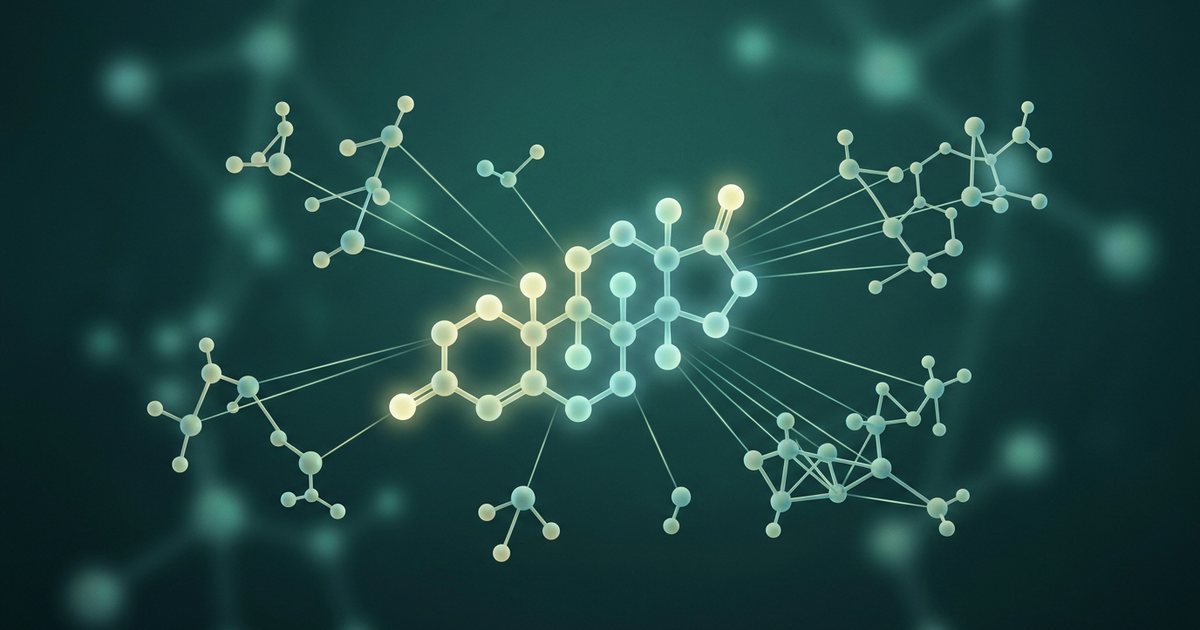
This conversion happens in various tissues throughout the body, not just in the ovaries or adrenal glands [3]. This widespread conversion capability allows DHEA to potentially influence hormone levels in different areas. For example, some research indicates that DHEA supplementation can influence estradiol levels in women [4]. This ability to be metabolized into other sex hormones is what makes DHEA a subject of interest for women experiencing hormonal shifts.
What is a DHEA Supplement and How Is It Used?
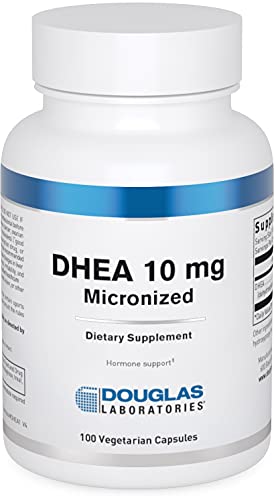
A DHEA supplement is a synthetic form of the hormone DHEA, available over-the-counter in various formulations, including oral capsules, creams, and vaginal inserts. When considering what is DHEA supplement, it’s important to understand that these supplements introduce exogenous DHEA into the body, aiming to replenish levels that may have declined naturally with age [5].
In a medical context, DHEA has been explored for various applications, particularly related to the genitourinary syndrome of menopause (GSM) [6]. GSM encompasses a range of symptoms affecting the vulva, vagina, and lower urinary tract, often linked to decreased estrogen levels during menopause [7]. DHEA has been studied for its potential to be converted into active estrogens and androgens within vaginal tissues, which may help address some of these localized concerns [6]. However, the use of DHEA supplements for other systemic effects is still an area of ongoing research [8].
Important Considerations for DHEA Supplementation
While DHEA is a naturally occurring hormone, taking a DHEA supplement introduces a substance that can influence your body’s hormonal balance. The effects of DHEA supplementation can vary depending on the individual, dosage, and duration of use [4]. Because DHEA can convert into other sex hormones, its use may impact levels of estrogen and testosterone in the body [3].
It’s crucial to recognize that DHEA supplements are not regulated in the same way as prescription medications. This means that the quality, purity, and dosage consistency can vary between products. For women in perimenopause, understanding how DHEA might interact with their unique hormonal profile is essential, and this requires careful consideration and professional guidance.

References
- Adrenal Androgens and Aging. Endotext, 2000
- Adrenal androgens and the menopausal transition. Obstetrics and gynecology clinics of North America, 2011
- The Utilization of Dehydroepiandrosterone as a Sexual Hormone Precursor in Premenopausal and Postmenopausal Women: An Overview. Pharmaceuticals (Basel, Switzerland), 2021
- The effect of dehydroepiandrosterone (DHEA) supplementation on estradiol levels in women: A dose-response and meta-analysis of randomized clinical trials. Steroids, 2021
- The use of dehydroepiandrosterone therapy in clinical practice. Treatments in endocrinology, 2005
- An overview of dehydroepiandrosterone (EM-760) as a treatment option for genitourinary syndrome of menopause. Expert opinion on pharmacotherapy, 2020
- Genitourinary syndrome of menopause: an overview of clinical manifestations, pathophysiology, etiology, evaluation, and management. American journal of obstetrics and gynecology, 2016
- Dehydroepiandrosterone Research: Past, Current, and Future. Vitamins and hormones, 2018
These statements have not been evaluated by the Food and Drug Administration. This information is not intended to diagnose, treat, cure, or prevent any disease. Content is for informational purposes only and is not medical advice; consult a qualified healthcare provider before starting any supplement. As an Amazon Associate we earn from qualifying purchases.