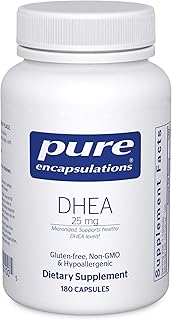
Affiliate disclosure: As an Amazon Associate, this site earns from qualifying purchases linked in this article.
Vaginal dryness is a common experience for many women during midlife and menopause, often as a symptom of vulvovaginal atrophy, now referred to as the genitourinary syndrome of menopause (GSM) [1]. This condition can lead to discomfort and impact quality of life.
For those seeking options to address vaginal dryness, intravaginal dehydroepiandrosterone (DHEA), also known as prasterone, has emerged as an area of interest. This article will examine the available evidence regarding the use of DHEA for vaginal dryness, focusing on what research indicates.
Understanding Vaginal Dryness and GSM
Vaginal dryness is a key symptom of vulvovaginal atrophy, which is now more comprehensively termed the genitourinary syndrome of menopause (GSM) [1]. GSM encompasses a range of changes in the vulva, vagina, and lower urinary tract that can occur due to declining estrogen levels during menopause. These changes can lead to symptoms such as vaginal dryness, irritation, burning, and discomfort during sexual activity (dyspareunia) [1].
These symptoms can significantly affect a woman’s comfort and well-being. Finding effective strategies to manage vaginal dryness and other GSM symptoms is important for many women navigating this life stage.
What is Intravaginal DHEA (Prasterone)?
Intravaginal DHEA, also known as prasterone, is a synthetic steroid that is inserted into the vagina. Once administered locally, DHEA is converted into active sex steroids, including estrogens and androgens, directly within the vaginal cells [2]. This local conversion is thought to help restore the health of vaginal tissues.

Unlike systemic hormone therapies, intravaginal DHEA aims to deliver its effects primarily to the vaginal area, potentially minimizing systemic exposure [2]. This localized action is a key characteristic of how prasterone is understood to work for addressing symptoms of vulvovaginal atrophy.
Evidence for DHEA and Vaginal Dryness Relief
Several studies have investigated the effectiveness of intravaginal DHEA for symptoms like vaginal dryness. Research indicates that intravaginal DHEA can be efficacious in addressing moderate to severe vaginal dryness, a common symptom of vulvovaginal atrophy and the genitourinary syndrome of menopause [3][4]. These findings suggest that prasterone may offer a beneficial option for women experiencing this discomfort.
A review of evidence in 2011 highlighted the role of vaginal DHEA in treating menopause-related atrophy [5]. Further studies have supported the high internal consistency and efficacy of intravaginal DHEA for vaginal atrophy [6]. These consistent findings contribute to a growing body of evidence supporting its use.
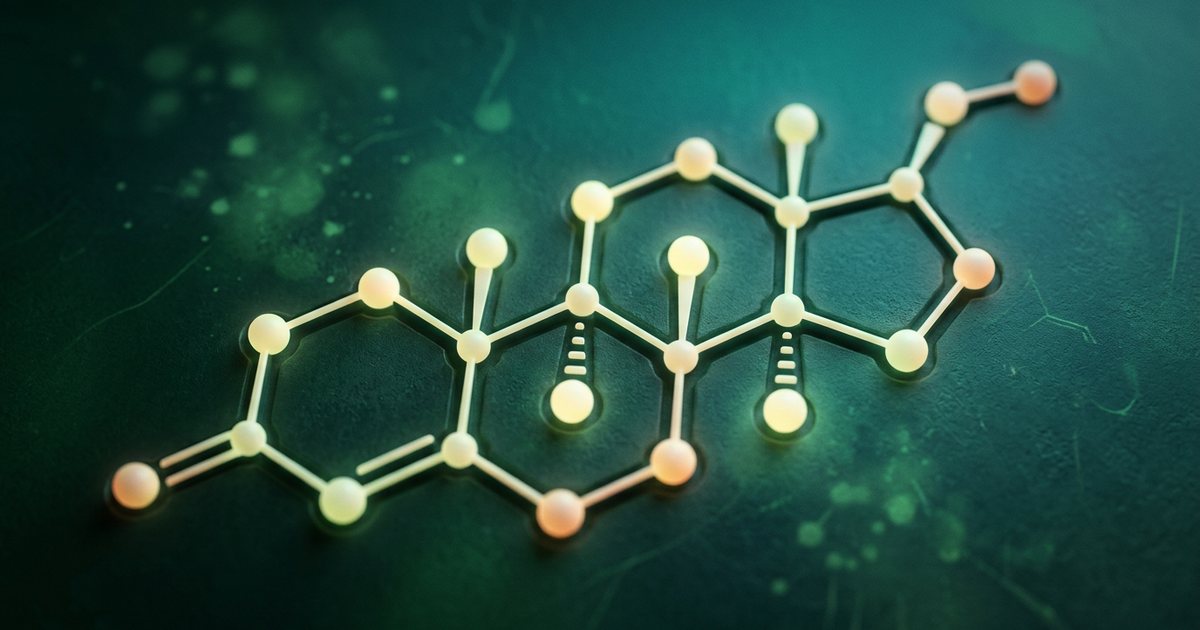
More recently, a systematic review and meta-analysis published in 2026 further explored intravaginal dehydroepiandrosterone for the management of vulvovaginal atrophy, indicating its effectiveness [7]. This type of comprehensive analysis helps to consolidate the findings from multiple individual studies, strengthening the overall understanding of DHEA’s role in this context.
How DHEA May Help with Vaginal Dryness
The proposed mechanism by which intravaginal DHEA helps to alleviate vaginal dryness involves its local conversion into estrogens and androgens within the vaginal tissues [2]. This localized steroid production is thought to help restore the physiological environment of the vagina, which can become compromised due to the decline in natural hormone levels during menopause.

By improving the health of the vaginal mucosa, DHEA may contribute to increased lubrication and a reduction in dryness. This localized action is considered a physiological and efficient approach to addressing vaginal atrophy [2].
Safety Considerations and Administration
While intravaginal DHEA is designed for local action, it is important to discuss its use with a healthcare provider. They can help determine if it is an appropriate option based on an individual’s health profile and other medications.
The administration of intravaginal DHEA typically involves a vaginal insert. Adherence to the prescribed dosage and frequency is important for optimal results and to ensure appropriate use. Regular follow-ups with a healthcare professional can help monitor effectiveness and address any questions or concerns that may arise.

References
- Genitourinary Syndrome of Menopause. Journal of midwifery & women’s health, 2021
- Intravaginal dehydroepiandrosterone (Prasterone), a physiological and highly efficient treatment of vaginal atrophy. Menopause (New York, N.Y.), 2009
- Efficacy of intravaginal dehydroepiandrosterone (DHEA) on moderate to severe dyspareunia and vaginal dryness, symptoms of vulvovaginal atrophy, and of the genitourinary syndrome of menopause. Menopause (New York, N.Y.), 2018
- Efficacy of intravaginal dehydroepiandrosterone (DHEA) on moderate to severe dyspareunia and vaginal dryness, symptoms of vulvovaginal atrophy, and of the genitourinary syndrome of menopause. Menopause (New York, N.Y.), 2016
- Vaginal DHEA to treat menopause related atrophy: a review of the evidence. Maturitas, 2011
- High internal consistency and efficacy of intravaginal DHEA for vaginal atrophy. Gynecological endocrinology : the official journal of the International Society of Gynecological Endocrinology, 2010
- Intravaginal dehydroepiandrosterone for the treatment of vulvovaginal atrophy: a systematic review and meta-analysis. Menopause (New York, N.Y.), 2026
These statements have not been evaluated by the Food and Drug Administration. This information is not intended to diagnose, treat, cure, or prevent any disease. Content is for informational purposes only and is not medical advice; consult a qualified healthcare provider before starting any supplement. As an Amazon Associate we earn from qualifying purchases.