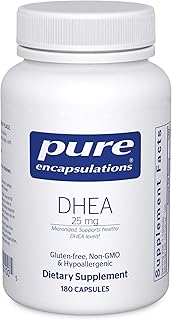
Affiliate disclosure: As an Amazon Associate, this site earns from qualifying purchases linked in this article.
Many women navigating perimenopause experience changes in sexual function, including a decrease in libido. These shifts can be influenced by a complex interplay of hormonal fluctuations, psychological factors, and lifestyle changes common during this life stage. Understanding potential approaches to support sexual well-being is a common focus for women seeking to maintain their quality of life.
Dehydroepiandrosterone (DHEA) is a hormone produced by the adrenal glands, and it serves as a precursor to other hormones, including androgens and estrogens. Given its role in hormone synthesis, DHEA has been explored for its potential impact on various aspects of health, including sexual function, particularly in the context of declining hormone levels during perimenopause and menopause.
Understanding Low Libido in Perimenopause
Perimenopause is a transitional phase leading up to menopause, characterized by fluctuating hormone levels, primarily estrogen and progesterone. These hormonal shifts can contribute to a range of symptoms, including changes in sexual desire and response. Additionally, factors such as sleep disturbances, mood changes, and overall stress can indirectly impact libido during this time.
Sexual function is multifaceted, encompassing desire, arousal, lubrication, orgasm, and satisfaction. A decline in any of these areas can contribute to a feeling of low libido. It’s important to recognize that sexual health is an integral part of overall well-being and can be affected by various physiological and psychological changes associated with perimenopause [1].
What is DHEA and Its Role in the Body?
DHEA is the most abundant circulating steroid hormone in the human body. It is often referred to as a ‘prohormone’ because it can be converted into other sex hormones, such as testosterone and estrogen, within various tissues. Levels of DHEA naturally decline with age, with significant reductions observed as women approach and enter menopause [2].
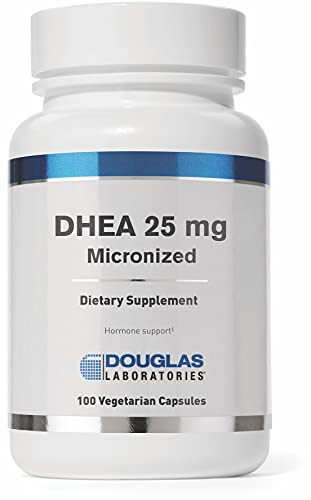
The conversion of DHEA into active sex hormones occurs not only in the adrenal glands but also in peripheral tissues, including the vagina. This local conversion allows DHEA to exert effects where it is needed, potentially influencing tissue health and function without necessarily significantly increasing systemic hormone levels [3].

DHEA and Sexual Function: The Evidence for Women
The potential of DHEA to support sexual function in women, particularly those experiencing perimenopausal or postmenopausal changes, has been a subject of research. A systematic review examined the effects of DHEA on sexual function and found some evidence suggesting a positive impact, although the quality and consistency of the evidence varied across studies [4]. Another review specifically looking at DHEA for women in the peri- or postmenopausal phase also noted that while some studies indicated benefits, the overall evidence was mixed and more research was needed [5].

For symptoms related to genitourinary syndrome of menopause (GSM), which can significantly impact sexual activity due to vaginal dryness, pain, and discomfort, intravaginal DHEA has shown promise. The North American Menopause Society’s position statement on GSM includes intravaginal DHEA as an option for managing these symptoms [6]. This is supported by systematic reviews that have evaluated hormonal treatments for GSM, indicating that intravaginal DHEA can be effective in addressing symptoms like dyspareunia (painful intercourse) [7][8].

While intravaginal DHEA primarily targets local symptoms, the impact of systemic DHEA on broader aspects of sexual function, such as desire and arousal, remains an area of ongoing investigation. Some studies have explored systemic DHEA’s effects on sexual function in specific populations, for example, in women with Sheehan Syndrome, where DHEA supplementation was found to improve sexual function [9]. However, generalizing these findings to the broader perimenopausal population requires caution. The evidence for systemic DHEA’s impact on libido in healthy perimenopausal women is moderate and not as consistently strong as for local vaginal DHEA’s effects on GSM symptoms.
Safety Considerations and Potential Side Effects
As with any hormone-related supplement, considering the safety profile of DHEA is important. While generally considered safe for many women when used appropriately, potential side effects have been reported. These can include androgenic effects such as acne, oily skin, and unwanted hair growth, particularly with higher doses. Other less common side effects might involve changes in mood or sleep patterns.
It is crucial to discuss DHEA supplementation with a healthcare provider before starting. They can assess individual health status, potential interactions with other medications, and determine if DHEA is an appropriate option. They can also advise on the most suitable form and dosage, considering that DHEA is available in various formulations, including oral and intravaginal options, each with different systemic absorption and effects.
References
- Does Type of Menopause Affect the Sex Lives of Women?. Medical science monitor : international medical journal of experimental and clinical research, 2020
- Androgen replacement in menopause. Current women’s health reports, 2001
- New Innovations for the Treatment of Vulvovaginal Atrophy: An Up-to-Date Review. Medicina (Kaunas, Lithuania), 2022
- The effects of dehydroepiandrosterone on sexual function: a systematic review. Climacteric : the journal of the International Menopause Society, 2017
- Dehydroepiandrosterone for women in the peri- or postmenopausal phase. The Cochrane database of systematic reviews, 2015
- The 2020 genitourinary syndrome of menopause position statement of The North American Menopause Society. Menopause (New York, N.Y.), 2020
- Hormonal Treatments and Vaginal Moisturizers for Genitourinary Syndrome of Menopause : A Systematic Review. Annals of internal medicine, 2024
- State of the art in menopause: current best practice approaches from the IMS World Congress 2024, Melbourne. Climacteric : the journal of the International Menopause Society, 2025
- DHEA on Sexual Function in Sheehan Syndrome: A Randomized Double-Blind Placebo-Controlled Crossover Trial. The Journal of clinical endocrinology and metabolism, 2022
These statements have not been evaluated by the Food and Drug Administration. This information is not intended to diagnose, treat, cure, or prevent any disease. Content is for informational purposes only and is not medical advice; consult a qualified healthcare provider before starting any supplement. As an Amazon Associate we earn from qualifying purchases.