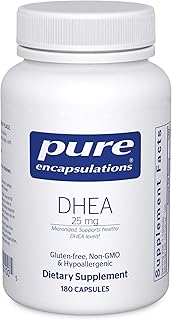
Affiliate disclosure: As an Amazon Associate, this site earns from qualifying purchases linked in this article.
As women navigate perimenopause, many notice changes in their skin, including increased dryness and a reduction in elasticity. These shifts are often linked to fluctuating hormone levels, particularly declining estrogen.
Given DHEA’s role as a precursor hormone, there’s interest in understanding how it might influence skin health during this transitional phase. This article explores current insights into DHEA and its potential effects on common perimenopausal skin concerns, such as dryness and elasticity.
Understanding Perimenopausal Skin Changes
Perimenopause is characterized by hormonal fluctuations that can significantly impact various bodily systems, including the skin. A key change is the gradual decline in estrogen levels, which plays a vital role in maintaining skin hydration, collagen production, and overall elasticity. As estrogen diminishes, women may experience skin that feels drier, appears less plump, and shows a decrease in its ability to bounce back.
These changes are a natural part of the aging process, but they can be particularly noticeable during perimenopause. Addressing these concerns often involves strategies to support skin hydration and structure, and some women explore hormonal approaches.
DHEA: A Hormonal Precursor
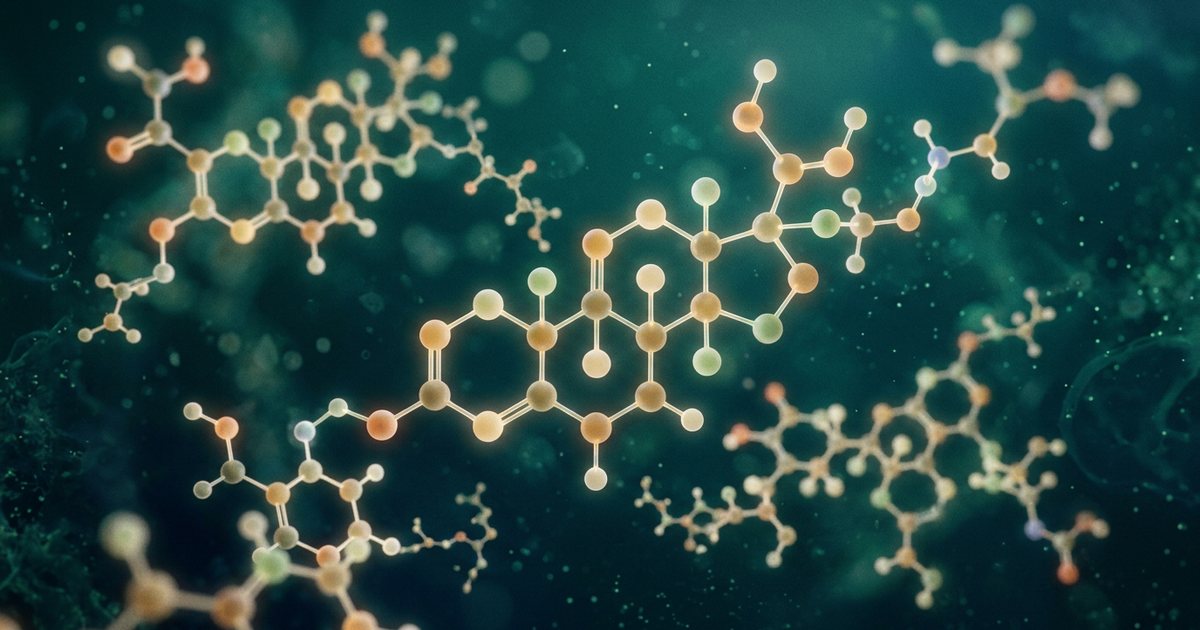
Dehydroepiandrosterone (DHEA) is a hormone produced primarily by the adrenal glands. It serves as a precursor to other hormones, including estrogens and androgens. Levels of DHEA naturally peak in early adulthood and then gradually decline with age. This decline accelerates during perimenopause and menopause, mirroring some of the skin changes observed.
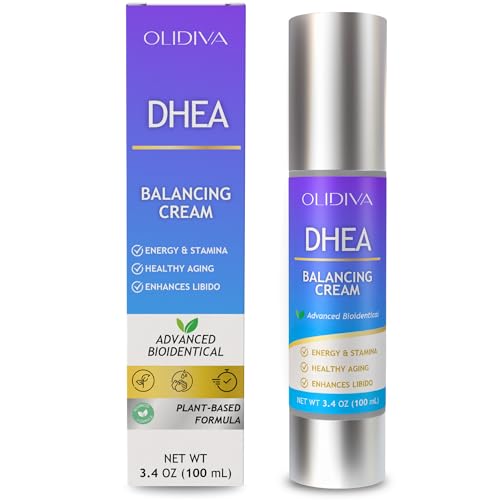
The widespread presence of DHEA receptors in skin cells suggests a potential role for this hormone in skin function. By influencing the local production of other hormones within the skin, DHEA might contribute to maintaining skin health and mitigating some age-related changes.
DHEA and Skin Dryness
Skin dryness is a common complaint during perimenopause. Estrogen contributes to the skin’s barrier function and its ability to retain moisture. As estrogen levels decline, the skin can become less hydrated and more susceptible to dryness.
While direct evidence specifically linking DHEA to improvements in skin dryness during perimenopause is still developing, some research has explored related hormonal impacts. For instance, a study examining the effects of certain hormonal preparations on skin found various influences on skin characteristics [1]. These findings suggest that hormonal balance can play a role in skin hydration and overall quality. Further research is needed to specifically clarify DHEA’s independent contribution to alleviating perimenopausal skin dryness.
DHEA and Skin Elasticity
Loss of skin elasticity is another hallmark of perimenopausal skin. This is largely due to a reduction in collagen and elastin fibers, which provide the skin with its structure and resilience. Estrogen is known to stimulate collagen production, so its decline can lead to thinner, less elastic skin.

The impact of DHEA on skin elasticity is an area of ongoing investigation. Given its ability to convert into estrogens within the skin, it is hypothesized that DHEA might indirectly support collagen and elastin synthesis. However, direct, robust evidence specifically demonstrating DHEA’s significant impact on improving skin elasticity in perimenopausal women is still emerging. Research into hormonal influences on skin has shown that certain hormonal interventions can affect skin characteristics, including elasticity [1], indicating a potential pathway for DHEA, but more targeted studies are required to confirm this.
Current Evidence and Considerations for Perimenopausal Skin
The current body of evidence regarding DHEA’s direct and specific impact on perimenopausal skin dryness and elasticity is moderate. While DHEA’s role as a precursor hormone and the presence of its receptors in the skin suggest a plausible connection, much of the existing research on hormonal influences on skin often involves broader hormonal therapies rather than DHEA in isolation. For example, studies have observed changes in skin characteristics, including elasticity and hydration, in response to certain hormonal preparations [1].
It’s important to note that skin health is multifactorial, influenced by genetics, lifestyle, sun exposure, nutrition, and overall health, in addition to hormones. While DHEA might play a supportive role, it is unlikely to be a standalone solution for all perimenopausal skin concerns. More targeted and large-scale studies focusing specifically on DHEA supplementation in perimenopausal women are needed to provide clearer insights into its efficacy for improving skin dryness and elasticity.

References
- Effects of two estroprogestins containing ethynilestradiol 30 microg and drospirenone 3 mg and ethynilestradiol 30 microg and chlormadinone 2 mg on skin and hormonal hyperandrogenic manifestations. Gynecological endocrinology : the official journal of the International Society of Gynecological Endocrinology, 2008
These statements have not been evaluated by the Food and Drug Administration. This information is not intended to diagnose, treat, cure, or prevent any disease. Content is for informational purposes only and is not medical advice; consult a qualified healthcare provider before starting any supplement. As an Amazon Associate we earn from qualifying purchases.