Affiliate disclosure: As an Amazon Associate, this site earns from qualifying purchases linked in this article.
Perimenopause is a significant hormonal transition that can bring various changes, including shifts in how the body manages stress. Many women report increased feelings of overwhelm or difficulty coping during this time. Understanding the hormonal landscape during perimenopause, particularly the role of DHEA, may offer insights into supporting resilience.
Dehydroepiandrosterone (DHEA) is a naturally occurring steroid hormone produced primarily by the adrenal glands. While its levels tend to decline with age, its interaction with the body’s stress response system is an area of ongoing interest, especially for women navigating the unique hormonal fluctuations of perimenopause.
Understanding the Stress Response and Hormonal Balance
The body’s stress response system involves a complex interplay of hormones, notably cortisol and DHEA-S (the sulfated form of DHEA). Cortisol is often referred to as the ‘stress hormone’ due to its role in the ‘fight or flight’ response, while DHEA-S is sometimes considered a counter-regulatory hormone, potentially modulating the effects of cortisol [1]. This balance is crucial for maintaining physiological and psychological well-being.
During periods of stress or significant life changes, the adrenal glands may alter their production of these hormones. Research has explored the relationship between cortisol and DHEA-S levels in various contexts, including anxiety and depression [1][2]. Maintaining an appropriate balance between these hormones is considered important for overall resilience.
DHEA Levels During Perimenopause and Aging
DHEA and DHEA-S levels naturally begin to decline starting in early adulthood, a process sometimes referred to as ‘adrenopause’ for the adrenal zona reticularis, which is a key site of DHEA production [3]. This decline continues through midlife and beyond. Perimenopause, characterized by fluctuating ovarian hormones, occurs concurrently with this age-related reduction in DHEA.
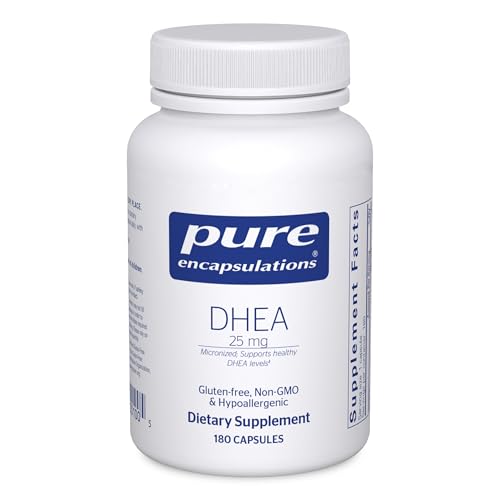
The impact of this age-related DHEA decline, in conjunction with perimenopausal hormonal shifts, on the body’s ability to manage stress is an area of particular interest. While ovarian hormones like estrogen and progesterone are central to perimenopausal changes, the adrenal hormones, including DHEA, also play a role in overall endocrine balance and may influence how women experience this transition.
DHEA-S and Cortisol in Stress-Related Conditions
Studies have examined the relationship between DHEA-S and cortisol in individuals experiencing various forms of stress or psychological distress. For example, research has explored basal cortisol and DHEA levels in women diagnosed with borderline personality disorder [4]. Other studies have looked at these hormone levels in pregnant women with severe anxiety or depression [1][2].
The balance between salivary cortisol and DHEA-S has also been investigated in women with chronic migraine, suggesting a potential endocrine component to certain chronic conditions [5]. Furthermore, the association between early life stress, such as childhood abuse, and salivary rhythms of cortisol and DHEA in postmenopausal women has been observed, highlighting the long-term impact of stress on hormonal regulation [6].
Potential Mechanisms: How DHEA Might Influence Stress Response
While the exact mechanisms are complex and not fully elucidated, DHEA is thought to interact with various systems in the body that are relevant to stress and mood. It can act as a precursor to other steroid hormones, including androgens and estrogens, which have wide-ranging effects on the brain and body. DHEA may also have direct effects on neural pathways involved in mood regulation and stress processing.
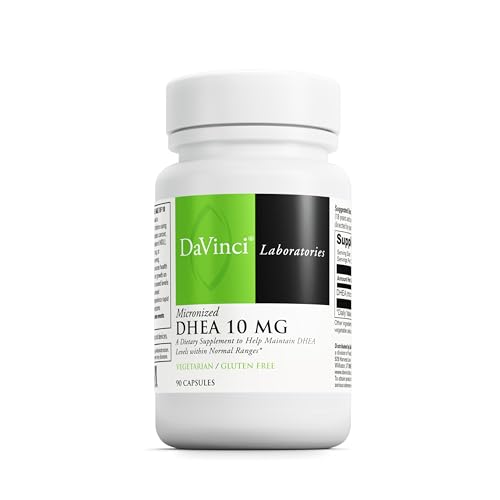
The concept of DHEA potentially modulating the effects of cortisol suggests a role in buffering the physiological impact of stress. Maintaining a healthy DHEA-to-cortisol ratio is sometimes discussed in the context of resilience, though more research is needed to fully understand this dynamic in perimenopause. The evidence for DHEA’s direct impact on the stress response in perimenopausal women is moderate and largely inferred from studies in other populations or general observations of hormonal balance.
Considerations for Women in Perimenopause
For women navigating perimenopause, understanding the potential interplay between DHEA and the stress response can be part of a broader approach to supporting well-being. While DHEA levels naturally decline with age, the impact of this decline on individual stress resilience can vary. Lifestyle factors such as diet, exercise, sleep, and stress management techniques remain foundational for supporting the body’s ability to cope with stress during this transitional phase.
It’s important to note that research on DHEA and stress response in perimenopausal women specifically is still developing. Much of the understanding comes from broader studies on stress, aging, and hormonal interactions. For example, while vaginal DHEA has been explored for localized issues like vulvovaginal atrophy and stress urinary incontinence in postmenopausal women, these applications are distinct from systemic effects on stress response [7].

References
- Cortisol and DHEA-S levels in pregnant women with severe anxiety. BMC psychiatry, 2020
- Serotonin, cortisol, and DHEA-S levels in anxious and depressive pregnant women living with HIV. BMC psychology, 2024
- From adrenarche to aging of adrenal zona reticularis: precocious female adrenopause onset. Endocrine connections, 2020
- Basal cortisol and DHEA levels in women with borderline personality disorder. Journal of psychiatric research, 2007
- Salivary cortisol, dehydroepiandrosterone-sulphate (DHEA-S) and testosterone in women with chronic migraine. The journal of headache and pain, 2006
- The association between abuse history in childhood and salivary rhythms of cortisol and DHEA in postmenopausal women. Psychoneuroendocrinology, 2020
- Effects of vaginal DHEA on stress urinary incontinence in postmenopausal women with vulvovaginal atrophy. Maturitas, 2025
These statements have not been evaluated by the Food and Drug Administration. This information is not intended to diagnose, treat, cure, or prevent any disease. Content is for informational purposes only and is not medical advice; consult a qualified healthcare provider before starting any supplement. As an Amazon Associate we earn from qualifying purchases.