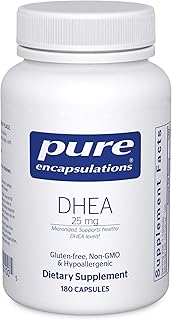
Affiliate disclosure: As an Amazon Associate, this site earns from qualifying purchases linked in this article.
Dehydroepiandrosterone (DHEA) is a hormone produced naturally in the body, primarily by the adrenal glands. It serves as a precursor, meaning it can be converted into other hormones, including androgens and estrogens [1]. As women navigate midlife and menopause, DHEA levels naturally decline, prompting interest in its broader physiological roles.
Beyond its hormonal precursor functions, DHEA has garnered attention for its potential influence on various bodily systems, including the immune system. Understanding how DHEA might interact with immune responses is an area of ongoing research, and this article will explore the current evidence regarding DHEA and dhea immune system support.
What is DHEA and How Does it Function?
DHEA is the most abundant steroid hormone in the human body. It is synthesized from cholesterol and can be converted into its sulfated form, DHEAS. Both DHEA and DHEAS circulate in the bloodstream, and their levels tend to peak in early adulthood, gradually decreasing with age [1]. This age-related decline has led some to refer to DHEA as a ‘youth hormone,’ though this term is often used in a popular context rather than a strictly scientific one [2].
The primary role of DHEA is its capacity to act as a precursor to other steroid hormones. This means it can be metabolized into more potent hormones like testosterone and estrogens, depending on the specific tissues and enzymes present in the body [1]. This conversion process makes DHEA a fascinating subject for research into various physiological processes, including those related to the immune system.
DHEA and Immune System Interactions: Current Perspectives
The immune system is a complex network of cells, tissues, and organs that work together to protect the body from harmful substances and pathogens. Hormones, including steroid hormones, are known to play a role in modulating immune responses [3]. Research into the dhea immune system connection suggests that DHEA may influence various aspects of immune function, though the precise mechanisms are still being investigated.

Studies have indicated that DHEA may have immunomodulatory properties, meaning it could help regulate or adjust immune responses. While the evidence is still developing, some research points to DHEA’s potential to affect cytokine production, which are signaling molecules crucial for immune cell communication [1]. These effects could potentially influence the body’s ability to mount an appropriate immune response.
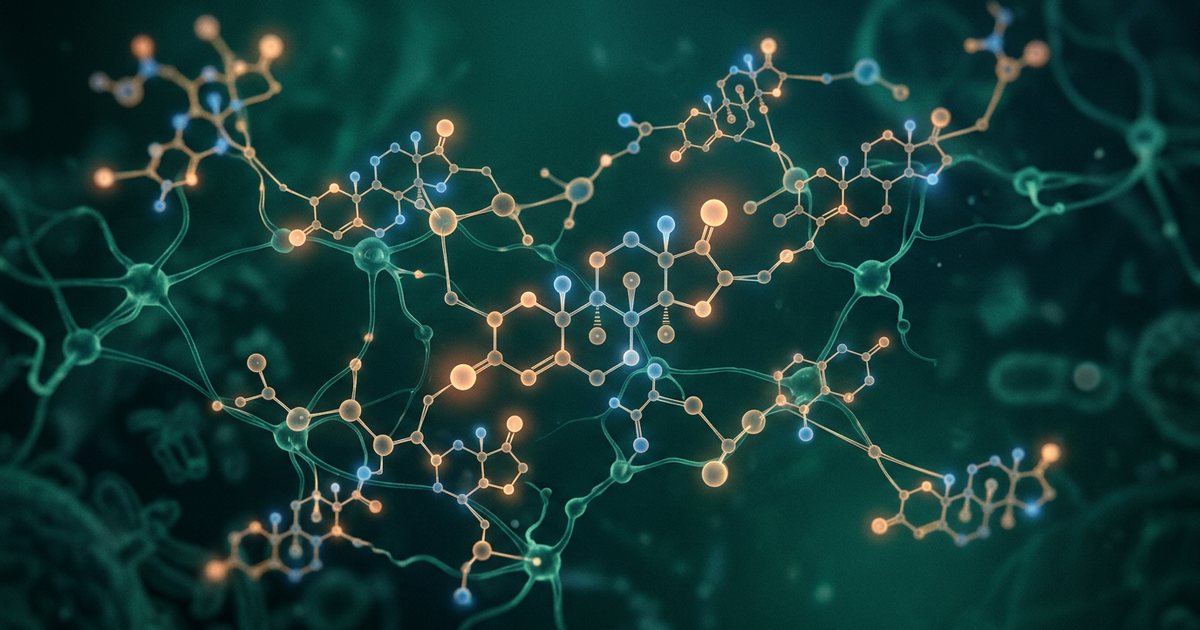
Potential Mechanisms of DHEA’s Influence on Immunity
The ways in which DHEA might interact with the immune system are multifaceted. One proposed mechanism involves its conversion into other steroid hormones, which are known to have immunomodulatory effects. For instance, sex hormones derived from DHEA can influence the activity and differentiation of various immune cells.
Beyond its role as a precursor, DHEA itself may directly interact with immune cells through specific receptors. These interactions could potentially influence cell signaling pathways that are vital for immune cell activation, proliferation, and function. Understanding these pathways is key to fully appreciating the potential role of DHEA in supporting immune health. It’s important to note that the immune system is also heavily influenced by other factors, such as the gut microbiota [4] and liver function [5], as well as overall nutritional status [6] and lifestyle choices.
Research Findings and Considerations for Women in Midlife
For women in midlife and during menopause, DHEA levels naturally decline, raising questions about the potential implications for immune function. Some research has explored the relationship between DHEA levels and immune markers in aging populations. However, the evidence regarding DHEA supplementation for dhea immune system support is still considered moderate, with studies often varying in design, participant characteristics, and measured outcomes.
It is crucial to emphasize that while DHEA has been investigated for various potential applications, including in conditions like Alzheimer’s disease [7] and in relation to mortality [8] or breast cancer [9], its role in immune system support is an area that requires more extensive and robust research. The term ‘moderate evidence strength’ indicates that while there are findings suggesting a connection, more definitive conclusions often await larger, long-term studies.
Safety and Responsible Use of DHEA
Given that DHEA is a hormone precursor, its supplementation is not without considerations. Because it can be converted into other hormones, changes in hormone balance are a potential outcome. The effects of DHEA can be complex and vary from person to person [1].
It is important to approach any discussion of DHEA with caution and a focus on individual health needs. DHEA is also sometimes discussed in the context of physical exercise and doping due to its hormonal effects [10]. For these reasons, anyone considering DHEA supplementation should consult with a healthcare provider to discuss their specific health profile, potential benefits, risks, and appropriate monitoring.

References
- Dehydroepiandrosterone (DHEA): Pharmacological Effects and Potential Therapeutic Application. Mini reviews in medicinal chemistry, 2023
- [Dehydroepiandrosterone (DHEA)–youth hormone?]. Wiadomosci lekarskie (Warsaw, Poland : 1960), 2001
- Regulation of Immune Function by Polyphenols. Journal of immunology research, 2018
- The gut microbiota shapes intestinal immune responses during health and disease. Nature reviews. Immunology, 2009
- Immune Responses in the Liver. Annual review of immunology, 2018
- The Effect of a Multivitamin and Mineral Supplement on Immune Function in Healthy Older Adults: A Double-Blind, Randomized, Controlled Trial. Nutrients, 2020
- Dehydroepiandrosterone (DHEA) and its Sulphate (DHEAS) in Alzheimer’s Disease. Current Alzheimer research, 2020
- DHEA and mortality: what is the nature of the association?. The Journal of steroid biochemistry and molecular biology, 2015
- Dehydroepiandrosterone (DHEA) in relation to breast cancer. Vitamins and hormones, 2025
- DHEA, physical exercise and doping. The Journal of steroid biochemistry and molecular biology, 2015
These statements have not been evaluated by the Food and Drug Administration. This information is not intended to diagnose, treat, cure, or prevent any disease. Content is for informational purposes only and is not medical advice; consult a qualified healthcare provider before starting any supplement. As an Amazon Associate we earn from qualifying purchases.